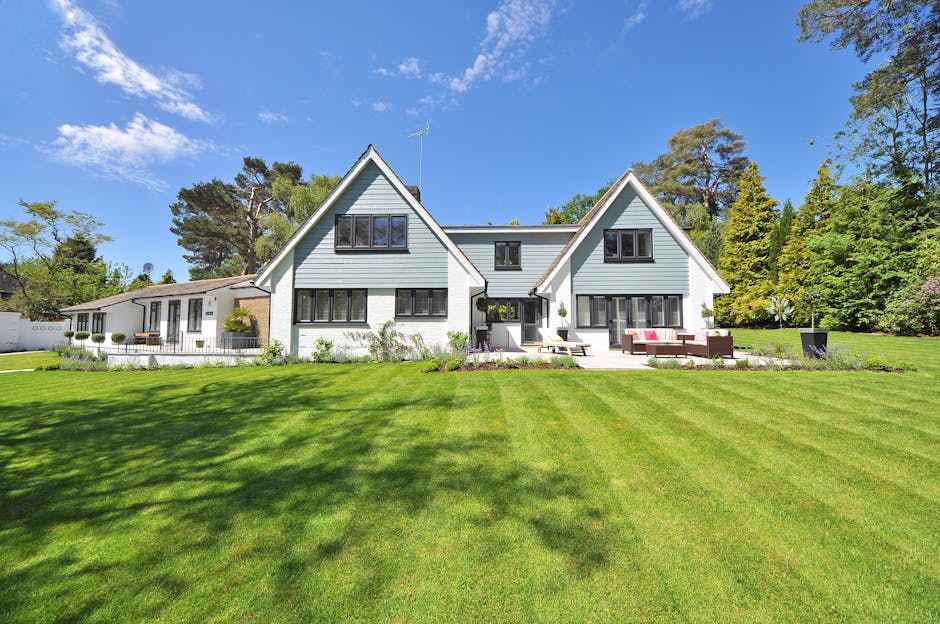
Accessory dwelling units and missing middle housing represent two of the most promising approaches to expanding the housing supply in existing neighborhoods, offering a path to increased density and increased housing production that is less disruptive to neighborhood character than large-scale redevelopment and that can be deployed across a wide range of markets and contexts. Accessory dwelling units, commonly known as ADUs, are secondary, self-contained dwelling units that are located on the same lot as a primary single-family home, and they can take the form of detached backyard cottages, attached units that share a wall with the primary home, or interior conversions of existing space such as a basement or garage. Missing middle housing refers to the range of housing types that exist between the single-family detached home and the mid-rise apartment building, including duplexes, triplexes, fourplexes, townhomes, courtyard apartments, and small-lot single-family homes, housing types that were once common in American neighborhoods but that have been largely eliminated by zoning regulations that mandate single-family detached housing as the only permitted residential use in many areas.
The concept of missing middle housing was articulated to describe the gap in the American housing typology that was created by the widespread adoption of single-family zoning and the separation of uses that characterized the post-war era of land use regulation. Before the adoption of these regulations, American neighborhoods typically contained a mix of housing types, including single-family homes, duplexes, triplexes, small apartment buildings, and townhomes, with the more dense types often located along the main streets and transit corridors and the single-family homes located on the side streets. The zoning regulations that mandated single-family use in large areas of cities effectively prohibited the construction of the intermediate housing types, creating a gap in the housing supply between the single-family home and the large apartment complex, a gap that is the missing middle. The reintroduction of missing middle housing types through zoning reform is one of the strategies being pursued to expand the housing supply, as these types can house more households per acre than single-family homes while maintaining a scale and character that is compatible with existing single-family neighborhoods.
The regulatory landscape for accessory dwelling units has undergone significant reform in recent years, with several states and many local jurisdictions adopting measures that reduce or eliminate the regulatory barriers that have historically constrained ADU production. The barriers have included zoning prohibitions on ADUs in single-family zones, minimum lot size requirements, owner-occupancy mandates, parking requirements, and design and setback requirements. The reforms adopted in states including California and Oregon have addressed these barriers by mandating by-right approval, eliminating owner-occupancy requirements, eliminating parking requirements near transit, and limiting local design standards that effectively prohibit ADU construction. The reforms have led to a significant increase in ADU production in the adopting jurisdictions, demonstrating that regulatory barriers were a primary constraint and that their removal can unlock a meaningful source of new housing supply.
The economic case for accessory dwelling units is compelling for property owners, as an ADU can generate rental income that supplements the household income, can provide housing for a family member or a caregiver, and can increase the property value through the addition of a rentable living unit. The cost of constructing an ADU varies widely depending on the type, the size, the level of finish, and the local construction costs, with detached ADUs typically costing between one hundred thousand and three hundred thousand dollars, attached ADUs costing between eighty thousand and two hundred thousand dollars, and interior conversions costing between forty thousand and one hundred and twenty thousand dollars. The rental income from an ADU can range from one thousand to three thousand dollars per month depending on the market and the unit characteristics, and the income can provide a return on the construction investment while also adding to the property value. The economic case for ADUs is strongest in high-cost markets where the rental income is high relative to the construction cost, and the concentration of ADU production in markets such as California reflects the strong economic incentive for property owners to add ADUs in these markets.
The design and construction of accessory dwelling units involves considerations that are similar to those of a primary residence but with additional constraints related to the small scale and the relationship to the primary home. The design of an ADU must address the functional requirements of a complete dwelling unit, including a kitchen, a bathroom, a sleeping area, and a living area, within a compact footprint that is typically between four hundred and one thousand two hundred square feet. The design must also address the relationship of the ADU to the primary home, including the privacy of both units, the access and circulation, the sharing of utilities and infrastructure, and the visual relationship of the ADU to the primary home and to the neighboring properties. The construction of an ADU is subject to the same building codes and permit requirements as a primary residence, including the requirements for foundation, structural integrity, energy efficiency, fire safety, and accessibility, and the permit process can be a significant source of delay and cost, particularly in jurisdictions that have not adopted streamlined ADU permit processes.
The missing middle housing types, including duplexes, triplexes, fourplexes, and townhomes, offer a different path to expanding the housing supply, one that involves the construction of new buildings at a scale that is larger than a single-family home but smaller than a mid-rise apartment building. The missing middle types can house two to twelve households per building, depending on the type, and they can be built on lots that are zoned for residential use at appropriate densities. The regulatory barriers to missing middle housing are primarily the zoning regulations that limit many residential areas to single-family detached housing, and the reform of these regulations to allow missing middle types by-right is the primary policy lever for expanding the production of these housing types. Several cities and states have adopted measures that allow missing middle housing in areas that were previously zoned for single-family use, including measures that allow duplexes and fourplexes by-right in residential zones, and the early results from these reforms suggest that they can unlock a meaningful increase in housing production at the missing middle scale.
The economic case for missing middle housing is driven by the efficiency of land use that these types achieve, as the cost of land is spread across multiple units, reducing the per-unit land cost and making the housing more affordable than single-family detached housing on the same land. The construction cost per unit for missing middle types is also generally lower than for single-family detached housing, as the shared walls and the more compact form reduce the amount of exterior envelope and the associated construction cost. The combination of lower land cost per unit and lower construction cost per unit makes missing middle housing a potentially more affordable housing type than single-family detached housing, and the production of missing middle housing is one of the strategies for expanding the supply of housing at price points that are accessible to a broader range of households. The economic viability of missing middle housing projects depends on the local market conditions, including the demand for the housing type, the achievable rents or sale prices, the land cost, the construction cost, and the regulatory cost, and the feasibility analysis for a missing middle project must carefully evaluate all of these factors.
The neighborhood compatibility of missing middle housing and ADUs is a consideration that has been central to the debate over zoning reform, as opponents of increased density have argued that the introduction of these housing types into single-family neighborhoods will alter the character of the neighborhoods, increase traffic and parking demand, and reduce property values. The evidence on these concerns is mixed and context-dependent, but the research on the actual impacts of ADUs and missing middle housing in neighborhoods where they have been introduced generally suggests that the impacts are modest and that the concerns are often overstated. The design of missing middle housing can be sensitive to the existing neighborhood context, with building heights, setbacks, and architectural styles that are compatible with the surrounding single-family homes, and the small scale of the missing middle types means that the visual and physical impact on the neighborhood is limited. The experience of cities that have allowed missing middle housing in single-family zones suggests that the actual development is often gradual and incremental, as the construction of a few duplexes or triplexes in a neighborhood does not fundamentally transform the character of the area but does add to the housing supply and the housing diversity of the neighborhood.
The financing of ADU construction and missing middle housing development involves a range of capital sources that reflect the small scale and the varied nature of these projects. For ADUs, the financing sources include home equity loans and lines of credit, cash-out refinancing of the primary mortgage, construction loans, and in some jurisdictions, specialized ADU financing programs offered by state and local housing finance agencies or by private lenders. The financing of ADU construction can be challenging, as the small loan amount and the specialized nature of the ADU project may not fit the standard lending parameters of many lenders, and the property owner may need to seek out lenders that have specific experience with ADU financing. For missing middle housing, the financing sources include conventional construction loans for small multi-family projects, investments from private equity partners, and in some cases, financing from community development financial institutions or other mission-oriented lenders that specialize in housing production in underserved markets. The financing environment for ADUs and missing middle housing is an important determinant of the production rate, as the availability and the cost of capital for these projects affects the economic feasibility and the decision of property owners and developers to proceed with construction.
The role of pre-approved and prefab ADU designs in accelerating ADU production is an emerging trend that addresses the cost and the timeline challenges of traditional ADU construction. Pre-approved ADU designs are plans that have been reviewed and approved by a jurisdiction in advance, allowing property owners who select a pre-approved design to bypass the standard design review process and to proceed directly to construction, significantly reducing the permit timeline. Prefabricated ADUs are dwelling units that are manufactured in a factory and transported to the site for installation, and the factory production approach can reduce the construction cost and the construction timeline relative to site-built construction, as the controlled factory environment enables greater efficiency, quality control, and labor productivity. The combination of pre-approved designs and prefab construction has the potential to significantly scale ADU production by reducing the cost, the timeline, and the uncertainty that have constrained ADU production, and several jurisdictions and private companies are developing programs and products that leverage these approaches to make ADU construction faster, cheaper, and more accessible to a broader range of property owners.
The potential of ADUs and missing middle housing to address the housing supply shortage is significant but not sufficient to close the deficit on their own, as the scale of the shortage requires a comprehensive approach that includes the full range of housing types and production strategies. ADUs can add housing units to existing neighborhoods one lot at a time, and the cumulative production across a city or a region can be meaningful, as the experience of California demonstrates, where ADU production has grown from a few hundred units per year to more than twenty thousand units per year following the regulatory reforms. Missing middle housing can add housing units at a slightly larger scale, with each duplex, triplex, or townhome project adding a few units to the housing supply, and the cumulative production of missing middle housing across a region can also be meaningful. The combined production of ADUs and missing middle housing can make a significant contribution to closing the supply deficit, particularly when combined with the production of single-family homes, large apartment buildings, and other housing types, and the gentle density approach offers a politically and physically feasible path to increased housing production that can be pursued alongside the larger-scale production strategies.
The social and community benefits of ADUs and missing middle housing extend beyond the quantitative increase in the housing supply to include benefits related to housing diversity, intergenerational living, and neighborhood vitality. ADUs enable intergenerational living arrangements, allowing elderly family members to live near their adult children while maintaining independence and privacy, and allowing adult children to live near their parents while maintaining their own household. ADUs also provide housing options for service workers, teachers, and other essential community members who may be priced out of the community in the absence of the smaller, more affordable housing options that ADUs provide. Missing middle housing provides a range of housing options at different price points and for different household types, including small households, single-person households, and households at various income levels, and the diversity of housing options within a neighborhood contributes to the social diversity and the vitality of the community. The expansion of housing diversity through ADUs and missing middle housing is a benefit that complements the quantitative increase in the housing supply and that contributes to the creation of more inclusive and more resilient communities.
The barriers to the widespread adoption of ADUs and missing middle housing, beyond the regulatory barriers that have been the primary focus of reform efforts, include the financing barriers, the construction cost and capacity barriers, and the community acceptance barriers. The financing barriers, as discussed, relate to the availability and the cost of capital for these projects, and the development of specialized financing products and programs is needed to expand the pool of property owners and developers who can access the capital to build. The construction cost and capacity barriers relate to the cost of construction, which can be high relative to the achievable rents or sale prices, and to the availability of contractors with the skills and the interest to undertake these projects, which are often smaller and more complex than the standard single-family or large apartment project. The community acceptance barriers relate to the concerns of existing residents about the impact of new density on the neighborhood, and the addressing of these concerns through good design, effective communication, and the demonstration of successful projects is an important part of the effort to expand the adoption of ADUs and missing middle housing.
The role of homeowners associations and private covenants in shaping ADU and missing middle adoption is distinct from the public regulatory framework but can be equally consequential. Many single-family subdivisions are governed by HOAs that enforce covenants, conditions, and restrictions, known as CC and Rs, which are private contractual agreements that can impose restrictions more stringent than public zoning. The CC and Rs in many subdivisions prohibit ADUs, restrict property to single-family use, impose minimum square footage requirements, and require architectural review committee approval for new construction. These private restrictions can survive even after public zoning is reformed, creating situations where a property owner permitted by the city to build an ADU is prohibited by private covenants. The conflict between public reform and private restrictions is an emerging policy issue, and some states have begun addressing it through legislation limiting the enforceability of covenants that prohibit ADUs. Resolving this issue is important for expanding supply through ADUs and missing middle housing, as HOA-governed subdivisions affect a significant share of residential land where these types could otherwise be built.
In conclusion, accessory dwelling units and missing middle housing are important and promising approaches to expanding the housing supply through gentle density that can be integrated into existing neighborhoods without fundamentally transforming their character. The regulatory reforms that have been adopted in recent years have demonstrated that the removal of regulatory barriers can unlock a meaningful increase in ADU and missing middle production, and the continuation and expansion of these reforms is an important element of the overall strategy to address the housing supply shortage. The economic case for ADUs and missing middle housing is compelling for property owners and developers in many markets, and the financing and construction infrastructure to support this production is developing, though it remains a constraint on the rate of production. The social and community benefits of housing diversity, intergenerational living, and neighborhood vitality are additional reasons to support the expansion of ADUs and missing middle housing, beyond the quantitative contribution to the housing supply. This guide has provided an overview of the concepts, regulatory landscape, economics, and potential of ADUs and missing middle housing, and readers interested in pursuing a project should consult local planning departments, contractors, and financing providers.

Have Questions About Your Mortgage Options?
Speak with Ebonie Beaco, Senior Mortgage Loan Officer (NMLS #2389954).
Editorial Disclosure: This article is published by Mortgage & Real Estate Strategist Magazine for informational and educational purposes. It does not constitute legal, tax, financial, or investment advice. Mortgage and real estate professionals should consult appropriate experts and verify current program guidelines before making decisions based on this content.
Sources & References
Sources Last Verified: November 8, 2026
Publisher & Mortgage Strategist
Ebonie Beaco is the founder and publisher of Mortgage & Real Estate Strategist Magazine. She is a licensed mortgage loan officer (NMLS #2389954) affiliated with NEXA Lending (NMLS #1660690), providing lending services in multiple states. She covers mortgage strategy, lending programs, and real estate investing.
Read More Articles by Ebonie Beaco