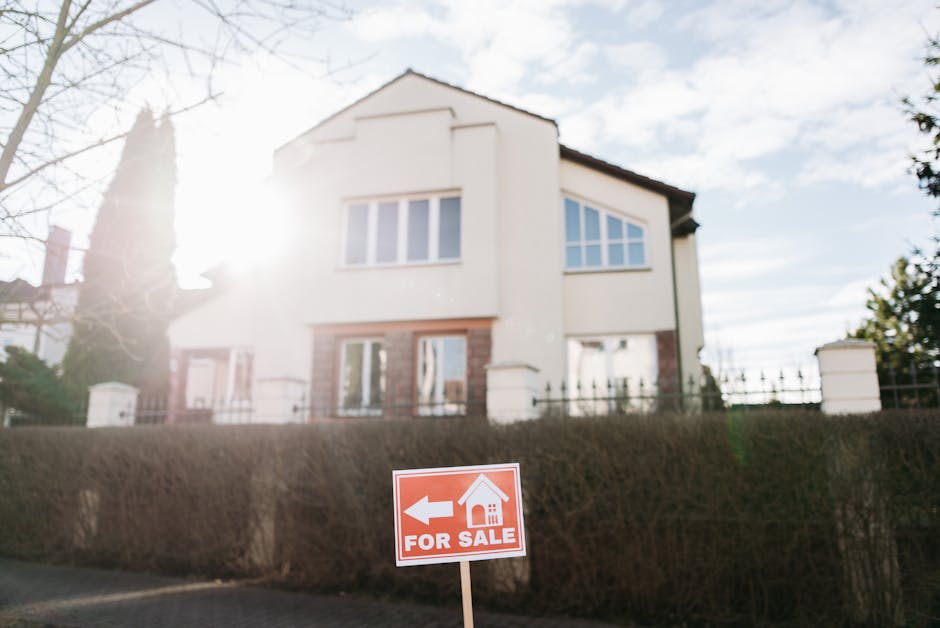
The relationship between builder sentiment and construction costs is one of the defining dynamics of the residential construction sector in late 2026, as builders navigate an environment in which their confidence in the market has improved from the depressed levels of 2023 while the cost structure that they must manage remains substantially elevated relative to the pre-pandemic period. The National Association of Home Builders Housing Market Index, the primary measure of builder sentiment in the single-family construction sector, has recovered from the sub-40 readings that characterized the trough of the 2023 downturn and has moved into a range that suggests cautious optimism about the market conditions for new single-family construction. However, the recovery in sentiment has been tempered by the persistent elevation of construction costs, which continue to squeeze builder margins and which constrain the pace at which builders are willing to commit to new projects and apply for new building permits.
The National Association of Home Builders Housing Market Index is a weighted index derived from a monthly survey of single-family home builders, who are asked to rate the current market conditions for the sale of single-family homes, the expected market conditions for the next six months, and the traffic of prospective buyers visiting model homes and sales offices. The index is calibrated so that a reading of 50 represents a balance between builders who view the market as good and builders who view the market as poor, with readings above 50 indicating that more builders view the market as good and readings below 50 indicating that more builders view the market as poor. In late 2026, the index has been fluctuating in the low-to-mid 40s, a level that represents a meaningful improvement from the sub-35 readings of late 2023 but that remains below the 50 threshold and well below the readings in the 80s that prevailed during the housing boom of 2020 and 2021.
The current market conditions component of the builder sentiment index reflects the assessment by builders of the present demand environment for new single-family homes, and it is the component that is most directly tied to the immediate sales conditions that builders are experiencing. The current conditions component has shown the most consistent improvement in late 2026, reflecting the stabilization of mortgage rates and the modest recovery in buyer traffic that has accompanied the rate stabilization. Builders report that buyer traffic has improved from the very low levels of late 2023, when the combination of mortgage rates above 7 percent and the economic uncertainty of the period kept potential buyers away from model homes and sales offices, though the traffic levels remain below the robust levels that characterized the 2020 to 2021 period of surging demand.
The future expectations component of the builder sentiment index, which captures the builders six-month outlook for the single-family market, has been more volatile than the current conditions component, reflecting the uncertainty that builders feel about the trajectory of mortgage rates, the broader economic environment, and the demand conditions that will prevail in the coming months. The future expectations component is sensitive to developments in the broader economy and the financial markets, as builders adjust their outlook based on the signals they receive about employment conditions, consumer confidence, mortgage rate trends, and the policy actions of the Federal Reserve. In late 2026, the future expectations component has been oscillating between modest optimism and neutral readings, as builders weigh the positive signals of rate stabilization and employment growth against the persistent headwinds of elevated costs and the uncertain political and economic outlook.
The construction cost environment that builders face in late 2026 is the product of several years of cumulative cost increases that began during the pandemic period and that have been only partially reversed in the subsequent period of disinflation. The cost of materials, the cost of labor, the cost of land, the cost of financing, and the cost of regulatory compliance have all increased substantially relative to their pre-pandemic levels, and the cumulative effect of these increases has raised the cost of building a new single-family home by an estimated 30 to 40 percent relative to the cost that prevailed in 2019. The cost increase has compressed builder margins, as the ability to pass through higher costs to homebuyers is constrained by the affordability limits that buyers face, particularly in a mortgage rate environment that remains elevated and that reduces buyer purchasing power.
The material cost component of the construction cost environment has been the most visible and the most volatile element of the cost picture, as the prices of key construction materials experienced dramatic swings during the pandemic period and have subsequently stabilized at levels that, while lower than the peaks, remain substantially above the pre-pandemic norms. Lumber, the most closely watched construction material, experienced a price surge in 2021 that saw the per-thousand-board-foot price more than quadruple from its pre-pandemic level, followed by a sharp correction and subsequent volatility that has persisted through 2026. The current lumber price in late 2026 is approximately 50 to 70 percent above the pre-pandemic average, a level that builders have largely incorporated into their project economics but that continues to exert upward pressure on the cost of the structural components of new homes.
The cost of other construction materials beyond lumber has also experienced significant increases during the pandemic and post-pandemic period, contributing to the overall elevation of the construction cost environment. Steel, concrete, gypsum, copper wiring, electrical components, plumbing fixtures, and appliances have all seen price increases ranging from 20 to 60 percent relative to their pre-pandemic levels, with the magnitude of the increase varying by material and by the specific supply chain dynamics that affect each material category. The breadth of the material cost increases is significant, as it means that builders cannot mitigate the cost pressure by substituting one material for another, and the cumulative effect of increases across multiple material categories produces a substantial increase in the total material cost of a new home that cannot be easily offset by efficiency gains or design modifications.
The labor cost component of the construction cost environment has been a persistent and growing challenge for the residential construction sector, as the industry faces a structural shortage of skilled trades workers that has been exacerbated by the demographic dynamics of the construction workforce and by the disruption of the labor supply that occurred during the pandemic. The average age of a construction trades worker in the United States is in the early 40s, and the industry has struggled to attract younger workers to replace the aging workforce, leading to a persistent labor supply gap that puts upward pressure on wages and that constrains the pace at which builders can complete projects. The construction labor cost in late 2026 is estimated to be 25 to 35 percent above the pre-pandemic level, reflecting the cumulative wage increases that have been necessary to attract and retain workers in a tight labor market.
The supply chain dynamics that affect the construction sector have improved from the severe disruptions of the 2021 to 2022 period, when lead times for many construction materials extended dramatically and when the availability of certain components, particularly electrical and appliance products, was severely constrained. In late 2026, the supply chain for most construction materials is functioning more normally, with lead times that are closer to historical norms and with better availability of the components and materials that builders need. However, the supply chain remains more fragile and more vulnerable to disruption than it was in the pre-pandemic period, as the global logistics networks that support the construction material supply chain have been restructured in response to the pandemic disruptions and the subsequent shifts in trade patterns, and the resilience of the supply chain to future shocks remains a concern for builders who depend on the timely delivery of materials to maintain their construction schedules.
The land cost component of the construction cost environment has increased significantly in many markets, as the demand for developable residential land has driven up land prices, particularly in the Sun Belt markets where the pace of new construction has been most robust. The cost of finished lots, which are lots that have been developed with the necessary infrastructure and utilities and that are ready for home construction, has increased by 30 to 50 percent in many Sun Belt markets relative to the pre-pandemic period, reflecting the combination of higher raw land costs, higher infrastructure development costs, and the competition among builders for a limited supply of finished lots. The land cost increase is significant because land typically represents 20 to 30 percent of the total cost of a new single-family home, and a substantial increase in the land component directly raises the total cost of the completed home and constrains the ability of builders to offer homes at price points that are accessible to a broad range of buyers.
The financing cost component of the construction cost environment has been significantly affected by the elevation of interest rates, as builders typically finance their construction projects through short-term construction loans and acquisition and development loans that carry floating or short-term fixed rates that are sensitive to the prevailing interest rate environment. The construction financing cost in late 2026 is substantially higher than it was during the pre-pandemic period, when short-term rates were near zero and construction loans were priced at relatively low spreads over the benchmark rates. The higher financing cost increases the carrying cost of the land and the construction loan, and it adds to the total cost of the completed home, as the interest paid during the construction period must be recovered in the sale price of the home. The financing cost increase also affects the economics of the land development pipeline, as land developers face higher carrying costs on their land inventories and may slow the pace of new lot development in response to the higher financing burden.
The regulatory cost component of the construction cost environment has been a persistent and growing element of the total cost of new housing, as the regulatory requirements imposed on residential construction by federal, state, and local governments have expanded over time and have added to the cost and the timeline of new construction. The regulatory costs include the fees for building permits and impact fees, the costs of compliance with building codes and energy efficiency standards, the costs of environmental review and mitigation, the costs of meeting zoning and land use requirements, and the costs of the time that is consumed by the regulatory approval process. The National Association of Home Builders estimates that regulatory costs account for approximately 25 percent of the total cost of a new single-family home, a figure that has been increasing over time as new regulatory requirements are added at each level of government and as the complexity and duration of the approval process increases.
The builder response to the elevated cost environment has been multifaceted, as builders have adopted a range of strategies to manage the cost pressure and to maintain viable project economics in the face of the cumulative cost increases. Some builders have focused on efficiency gains in their construction processes, investing in construction technology, panelized and modular construction methods, and process improvements that reduce the labor hours and the material waste associated with each home. Other builders have adjusted their product offerings, shifting toward smaller home sizes and more efficient floor plans that reduce the total material and labor cost per home while maintaining the price point that buyers can afford. Still other builders have focused on the geographic mix of their project pipelines, concentrating their activity in the markets where the cost structure and the demand conditions are most favorable and reducing their activity in the markets where the cost structure has become less viable.
The outlook for builder sentiment and construction costs as 2026 draws to a close is characterized by a cautious and gradual improvement in sentiment, tempered by the recognition that the cost environment is unlikely to return to the pre-pandemic norms and that the elevated cost structure is a permanent feature of the construction landscape for the foreseeable future. Builders are adjusting to the new cost reality and are developing business models and product strategies that are viable in the elevated cost environment, and the modest improvement in demand conditions that has accompanied the stabilization of mortgage rates is supporting a gradual expansion of construction activity. The pace of the expansion will depend on the trajectory of mortgage rates, the health of the broader economy and the labor market, and the ability of builders to manage the cost challenges that continue to shape the economics of new residential construction.
In conclusion, the builder sentiment and construction cost dynamics of late 2026 depict a construction sector that is adapting to a new normal of elevated costs and modest demand, with builder confidence recovering from the depths of the 2023 downturn but remaining constrained by the persistent cost pressures that characterize the post-pandemic construction environment. The labor shortages, material price elevation, supply chain fragility, land cost increases, financing cost increases, and regulatory cost growth that together define the cost environment are structural rather than cyclical in nature, and they are likely to persist for the foreseeable future, shaping the economics of new residential construction and influencing the pace at which new housing supply is brought to market. For mortgage professionals and housing market observers, understanding the builder sentiment and cost dynamics is essential for anticipating the trajectory of new housing supply and the implications for home prices, affordability, and the demand for purchase mortgage financing. This article is for educational purposes only and does not constitute financial or investment advice.

Have Questions About Your Mortgage Options?
Speak with Ebonie Beaco, Senior Mortgage Loan Officer (NMLS #2389954).
Editorial Disclosure: This article is published by Mortgage & Real Estate Strategist Magazine for informational and educational purposes. It does not constitute legal, tax, financial, or investment advice. Mortgage and real estate professionals should consult appropriate experts and verify current program guidelines before making decisions based on this content.
Sources & References
- U.S. Census Bureau Construction Spending and Material Price Data
- U.S. Department of Housing and Urban Development Construction Labor Market Analysis
- Federal Reserve Construction Sector Credit and Labor Conditions Survey
- Mortgage Bankers Association Builder Financing and Cost Benchmark Report
Sources Last Verified: November 8, 2026
Publisher & Mortgage Strategist
Ebonie Beaco is the founder and publisher of Mortgage & Real Estate Strategist Magazine. She is a licensed mortgage loan officer (NMLS #2389954) affiliated with NEXA Lending (NMLS #1660690), providing lending services in multiple states. She covers mortgage strategy, lending programs, and real estate investing.
Read More Articles by Ebonie Beaco