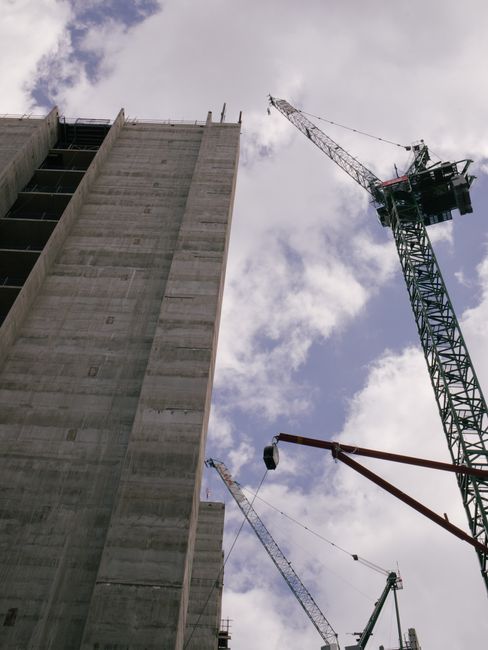
Construction loans carry a set of risks that are fundamentally different from the risks of standard purchase mortgages, and understanding these risks is essential for any borrower who is considering a construction loan and for any lender that is evaluating a construction loan application. The risks of construction lending stem from the fact that the loan is funding a project that does not yet exist, that depends on the performance of a builder whose work the lender and the borrower must monitor, and that is subject to the uncertainties of the construction process, including weather, supply chain disruptions, labor availability, and the possibility that the actual costs will exceed the budgeted costs. The risk profile of a construction loan is elevated relative to a standard mortgage in every dimension, and the risk management tools and the protections that are built into the construction loan process are designed to address these elevated risks and to protect both the lender and the borrower against the adverse outcomes that the construction process can produce.
The risk of cost overruns is one of the most common and the most consequential risks in construction lending, as construction projects frequently cost more than the budgeted amount due to a variety of factors that can arise during the construction process. Cost overruns can result from increases in the price of materials, which can be driven by supply chain disruptions, tariffs, or market demand, from increases in labor costs, which can be driven by labor shortages or wage inflation, from unexpected site conditions that require additional work, such as the discovery of rock, groundwater, or unstable soil during excavation, from changes to the plans or the specifications that the borrower requests during the construction process, and from errors or omissions in the original plans or the cost breakdown that are discovered during the construction. The risk of cost overruns is significant because the borrower is responsible for funding any costs that exceed the loan amount, and if the borrower does not have the funds to cover the overrun, the project may stall and the lender may be left with a partially completed home as collateral.
The contingency reserve is the primary tool for managing the risk of cost overruns, and it is a standard feature of construction loans that provides a cushion of additional funds within the loan amount that can be drawn upon if the actual construction costs exceed the budgeted costs. The contingency reserve is typically calculated as 5 to 10 percent of the total construction cost, and it is included in the loan amount as a reserve that is separate from the line-item costs in the cost breakdown. When a cost overrun occurs, the borrower or the builder requests a draw from the contingency reserve, and the lender releases the funds to cover the additional cost, provided that the overrun is documented and that the lender agrees that the additional cost is reasonable and necessary. The contingency reserve protects the borrower against the need to come up with additional cash to cover modest cost overruns, and it protects the lender against the risk that the project stalls due to a funding shortfall. If the contingency reserve is not used, it is applied to reduce the permanent loan balance at conversion.
The risk of construction delays is another significant risk in construction lending, as construction projects frequently take longer than the projected timeline due to factors that can arise during the construction process. Construction delays can result from weather events, such as heavy rain or snow that prevents exterior work, from supply chain delays that cause materials to arrive later than planned, from labor shortages that slow the pace of construction, from permit or inspection delays at the local jurisdiction, from changes to the plans that require rework, and from the builder scheduling conflicts or financial difficulties that affect the builder ability to devote resources to the project. The risk of construction delays is significant because the borrower must continue making interest payments on the construction loan for the duration of the delay, which increases the total interest cost of the project, and because the delay postpones the conversion to the permanent mortgage and the borrower ability to move into the completed home.
The interest cost of construction delays is a direct financial consequence that the borrower bears, and it can be substantial for projects with large loan balances and extended delays. During the construction phase, the borrower pays interest only on the disbursed balance of the loan, and as the project progresses and more draws are released, the interest payments increase. If the project is delayed, the borrower continues paying interest on the disbursed balance for the additional months that the delay adds to the construction timeline, and the additional interest cost can be significant. For a project with a $500,000 disbursed balance at a construction rate of 8 percent, each additional month of delay adds approximately $3,300 in interest cost, and a three-month delay adds approximately $10,000. The interest cost of delays is a risk that the borrower should understand and budget for, and the borrower should discuss the construction timeline with the builder and the lender to develop a realistic schedule and to understand the potential impact of delays on the total project cost.
The risk of builder default is one of the most serious risks in construction lending, as the failure of the builder to complete the project can leave the lender with a partially completed home as collateral and can leave the borrower with a project that requires significant additional funds and a new builder to complete. Builder default can result from the builder financial difficulties, including cash flow problems, bankruptcy, or the failure of other projects that drain the builder resources, from the builder abandonment of the project, where the builder simply stops showing up and stops responding to communications, from the builder failure to pay subcontractors or suppliers, which can result in liens on the property and the refusal of subcontractors to continue work, and from disputes between the builder and the borrower that escalate to the point where the builder walks off the job. The risk of builder default is the primary reason that the lender conducts a thorough builder approval process, evaluating the builder financial stability, experience, and track record before approving the builder for the project.
The completion guarantee is a risk management tool that some construction lenders require to protect against the risk of builder default, and it is a commitment from the builder or from a third party to complete the construction project at the agreed-upon price and within the agreed-upon timeline. A completion guarantee from the builder is a contractual commitment that the builder will complete the project, and if the builder fails to complete the project, the builder is liable for the additional costs of completion by a replacement builder. A completion guarantee from a third party, such as a surety bond company, is a bond that the builder purchases from a surety, and if the builder defaults, the surety is responsible for ensuring the completion of the project or for paying the lender the additional costs of completion. The completion guarantee provides the lender and the borrower with a financial backstop against the risk of builder default, and it is a requirement for some construction loan programs, particularly for larger projects or for builders who do not have an established track record with the lender.
The lien risk is a specific aspect of the builder default risk that arises when the builder fails to pay subcontractors, suppliers, or laborers who have worked on the project, as these unpaid parties can file mechanics liens against the property for the value of the work or the materials that they provided. A mechanics lien gives the unpaid party a claim against the property that must be satisfied before the property can be sold or refinanced, and multiple liens from different subcontractors and suppliers can complicate the title and create a significant obstacle to the completion and the financing of the project. The lender manages the lien risk by requiring lien waivers from the builder and from all subcontractors and suppliers at each draw, which are documents in which the parties acknowledge receipt of payment and waive their right to file a lien for the work or materials covered by the payment. The lender reviews the lien waivers at each draw release to ensure that all parties have been paid and that the lien risk is being managed throughout the construction process.
The project monitoring process is the ongoing risk management activity that the lender conducts during the construction phase, and it involves the regular inspection of the construction progress, the review of the draw requests, the verification of the builder payment of subcontractors and suppliers, and the tracking of the project budget and timeline. The lender typically assigns a construction loan administrator or a project manager to each construction loan, and this individual is responsible for monitoring the project, ordering and reviewing the inspections, approving the draw releases, and communicating with the borrower and the builder about the project status. The project monitoring process is the lender primary mechanism for identifying and addressing risks during the construction phase, and it allows the lender to detect cost overruns, delays, or builder performance issues early and to work with the borrower and the builder to address them before they escalate into more serious problems that threaten the project completion.
The appraisal risk in construction lending is the risk that the completed property does not appraise for the expected value, which can create a shortfall between the loan amount and the value of the completed property and can leave the borrower with less equity than expected or, in severe cases, with a loan balance that exceeds the property value. The appraisal risk arises because the construction loan is based on a future-value appraisal that is an estimate of the value of the completed property, and the actual value at completion may differ from the estimate due to changes in market conditions, changes in the comparable sales, or differences between the planned construction and the actual completed construction. The lender manages the appraisal risk by requiring a thorough and well-supported future-value appraisal at the loan origination, by reviewing the appraisal for reasonableness and for appropriate comparable selections, and by monitoring the market conditions during the construction period to identify any trends that may affect the completed value. In some cases, the lender may order an updated appraisal at the completion of the construction to confirm the value before the loan converts to the permanent phase.
The interest rate risk in construction lending is the risk that affects the borrower who is using a two-close construction loan, where the permanent mortgage rate is not locked at the time of the construction loan closing and is instead determined by the market conditions at the time of the second closing. If interest rates rise during the construction period, the borrower may face a permanent mortgage rate that is higher than the rate that was available at the time of the construction loan closing, which would increase the monthly payment on the permanent mortgage and the total interest paid over the life of the loan. The single-close construction-to-perm loan, which locks the permanent rate at the construction loan closing, eliminates the interest rate risk for the borrower, but it creates a risk for the lender, who is committed to a rate that may be below the market rate at the time of conversion. The lender manages this risk through the pricing of the construction-to-perm loan and through the hedging strategies that the lender employs to manage the rate lock risk on its construction loan pipeline.
The insurance requirements for construction loans are a risk management tool that protects the lender and the borrower against the risk of damage to the property during the construction process, and they are more extensive than the insurance requirements for a standard purchase mortgage. The lender typically requires a builder risk insurance policy, which is a specialized property insurance policy that covers the property during the construction period, protecting against damage from fire, wind, theft, vandalism, and other perils that could damage the partially completed structure or the materials on site. The lender also requires the builder to carry general liability insurance and workers compensation insurance, which protect against the risk of injuries on the construction site and the liability claims that could arise from the construction activity. The insurance requirements ensure that the property and the construction activity are adequately insured against the risks that could cause a loss during the construction period, protecting the lender collateral position and the borrower investment in the project.
The risk management strategy for borrowers who are considering a construction loan should involve a thorough understanding of the risks, the selection of a qualified and financially stable builder, the structuring of a realistic construction budget with an adequate contingency reserve, the maintenance of additional liquid reserves beyond the contingency reserve to cover unexpected costs, and the active monitoring of the construction progress and the builder performance throughout the project. Borrowers should also consider the benefits of a single-close construction-to-perm loan to eliminate the interest rate risk, and should review the builder contract carefully to understand the builder obligations, the payment terms, the change order process, and the remedies available to the borrower in the event of a builder default. Working with a mortgage professional who specializes in construction lending and with a real estate attorney who can review the construction contract and the loan documents is one of the most effective ways for borrowers to manage the risks of construction lending and to protect their investment in the project.
The change order process is a specific risk area within the construction loan that borrowers and lenders must manage carefully, as changes to the construction plans or the specifications during the construction process can increase the project cost, extend the timeline, and create discrepancies between the loan documents and the actual construction. A change order is a formal modification to the construction contract that documents the change to the scope of work, the cost impact, and the timeline impact, and the borrower and the builder must agree to and sign each change order before the changed work is performed. The lender must be notified of any change orders that affect the total project cost, as the change order may require an adjustment to the loan amount, a draw from the contingency reserve, or additional borrower funds to cover the increased cost. Uncontrolled change orders are a common source of cost overruns and construction disputes, and borrowers should establish a disciplined change order process with their builder, should minimize changes to the plans after construction begins, and should ensure that all changes are documented, priced, and approved before the work is performed.
In conclusion, the risks of construction lending are significant and multifaceted, encompassing cost overruns, construction delays, builder default, lien risk, appraisal risk, interest rate risk, and property damage risk, and the successful management of these risks requires a combination of lender risk management tools, borrower preparation and vigilance, and the professional guidance of construction lending and construction law experts. The construction loan process is designed with multiple layers of risk management, including the builder approval process, the contingency reserve, the draw and inspection process, the lien waiver requirements, the completion guarantee, the project monitoring, and the insurance requirements, each of which addresses a specific risk and contributes to the overall risk management framework. Borrowers who understand the risks and the risk management tools, who select their builder carefully, who structure their project with adequate contingencies and reserves, and who work with experienced professionals will be best positioned to navigate the construction lending process successfully and to complete their construction project with a favorable outcome. This article is for educational purposes only and does not constitute a loan offer or financial advice. Borrowers should consult a licensed mortgage professional for guidance specific to their individual situation.

Have Questions About Your Mortgage Options?
Speak with Ebonie Beaco, Senior Mortgage Loan Officer (NMLS #2389954).
Mortgage Financing & Mortgage Education
Explore Mortgage Financing Options
Visit MortgageStrategist.net for professional services and resources.
This is a promotional link to an affiliated business of the publisher, separate from the magazine's editorial content.
Editorial Disclosure: This article is published by Mortgage & Real Estate Strategist Magazine for informational and educational purposes. It does not constitute legal, tax, financial, or investment advice. Mortgage and real estate professionals should consult appropriate experts and verify current program guidelines before making decisions based on this content.
Sources & References
- Fannie Mae HomeStyle Construction Loan Risk Management Guidelines
- Freddie Mac CHOICEHome Construction Loan Risk and Completion Standards
- HUD FHA Construction Loan Insurance and Risk Mitigation Requirements
- CFPB Construction Loan Consumer Protection and Risk Disclosure Standards
- Mortgage Bankers Association Construction Lending Risk Management Best Practices
Sources Last Verified: November 8, 2026
Publisher & Mortgage Strategist
Ebonie Beaco is the founder and publisher of Mortgage & Real Estate Strategist Magazine. She is a licensed mortgage loan officer (NMLS #2389954) affiliated with NEXA Lending (NMLS #1660690), providing lending services in multiple states. She covers mortgage strategy, lending programs, and real estate investing.
Read More Articles by Ebonie Beaco