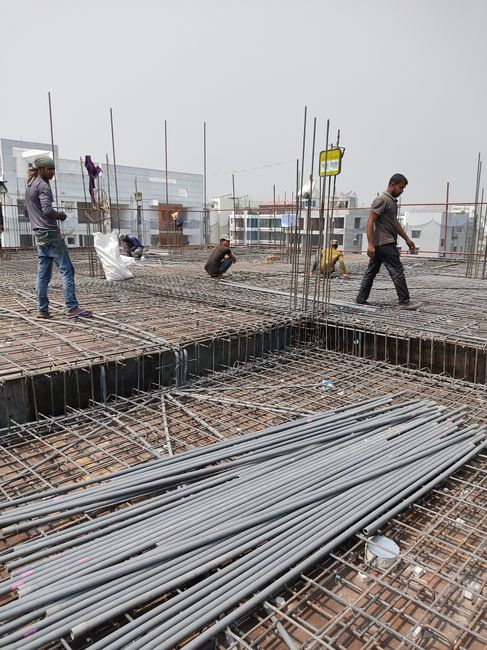
Construction-to-permanent loans represent one of the most important financing tools available to borrowers who want to build a custom home rather than purchase an existing property, and understanding how these loans work is essential for any borrower considering a construction project. A construction-to-perm loan, often referred to as a single-close construction loan, combines two separate financial products into a single transaction: a short-term construction loan that funds the building phase and a permanent mortgage that takes effect once the home is completed and receives a certificate of occupancy. The single-close structure means that the borrower closes on the loan once, at the beginning of the project, and the loan automatically converts from the construction phase to the permanent phase without requiring a second closing, which saves the borrower the additional closing costs and the rate risk that would accompany a two-close construction loan structure.
The two-close construction loan, by contrast, involves two separate loan closings: one for the construction loan, which is a short-term interest-only loan that funds the building phase, and a second for the permanent mortgage, which pays off the construction loan and provides long-term financing once the home is completed. The two-close structure exposes the borrower to interest rate risk, as the permanent mortgage rate is not locked at the time of the first closing and is instead determined by the market conditions at the time of the second closing, which may be six to twelve months later. The two-close structure also involves two sets of closing costs, including two title searches, two appraisal fees, and two sets of lender fees, making it more expensive than the single-close alternative in most cases. For these reasons, the single-close construction-to-perm loan has become the dominant product in the construction lending market, though the two-close structure remains available for borrowers who prefer the flexibility of shopping for a permanent mortgage at the end of the construction phase.
The construction phase of a construction-to-perm loan is funded through a draw process, in which the lender releases funds to the builder in installments as the construction progresses, rather than disbursing the entire loan amount at the closing of the loan. The draw process is designed to ensure that the lender funds only work that has been completed, protecting the lender collateral position and ensuring that the loan proceeds are used for the intended construction purpose. The draw schedule is typically established at the loan closing and is based on a detailed cost breakdown that the builder provides, which itemizes the costs of each component of the construction project, including site preparation, foundation, framing, roofing, plumbing, electrical, HVAC, drywall, finishes, and landscaping. The draw schedule specifies the percentage of the total loan amount that will be released at each stage of completion, and the lender verifies that the work has been completed before releasing the corresponding draw.
The inspection requirements that govern the draw process are a critical component of the construction loan, as the lender must verify that the construction work has been completed to a satisfactory standard before releasing funds. Before each draw is released, the lender typically orders an inspection of the property, performed by a licensed inspector or an appraiser, who verifies the percentage of completion and confirms that the work meets the standards specified in the construction contract and the loan documents. The inspection report documents the current state of the construction, the percentage of completion, and any deficiencies or issues that the inspector identifies. The lender reviews the inspection report and releases the draw only if the inspection confirms that the work has been completed to the required standard and that the percentage of completion supports the draw amount requested. The inspection process protects the lender and the borrower by ensuring that the builder is paid only for work that has been properly completed.
The types of draws that lenders use vary, with the two most common being hard draws and soft draws. Hard draws are releases of funds tied to the completion of specific physical construction milestones, such as the completion of the foundation, the framing, or the drywall, and the draw amount corresponds to the cost of the completed work as specified in the draw schedule. Soft draws, by contrast, are releases of funds for non-physical costs such as architectural fees, engineering fees, permits, and other soft costs that are incurred at various stages of the project. The lender typically requires documentation of the soft costs, such as invoices from the architect or the engineer, before releasing the soft draw. The distinction between hard and soft draws reflects the lender need to verify that the funds are being used for the intended purpose and that the collateral position is being maintained as the construction progresses.
The interest payments during the construction phase of a construction-to-perm loan are a significant cost that borrowers must understand and budget for. During the construction phase, the borrower typically pays interest only on the disbursed balance of the loan, meaning that the interest payment increases as more draws are released and the outstanding balance grows. In the early stages of construction, when only a small portion of the loan has been disbursed, the interest payments are relatively low, but as the project progresses and more funds are drawn, the interest payments can become substantial. The borrower must make these interest payments out of pocket during the construction phase, which typically lasts six to twelve months, and the interest payments are not added to the loan balance. Borrowers should obtain a draw schedule and an interest payment projection from their lender so that they can budget for the monthly interest payments during the construction phase.
The conversion from the construction phase to the permanent phase is the defining event of a construction-to-perm loan, and it occurs when the construction is completed, the certificate of occupancy is issued, and the loan converts to the permanent mortgage terms. At conversion, the loan balance is fixed at the total of all draws that have been disbursed, plus any financed interest or contingency reserves that have been added to the loan, and the interest rate converts from the construction rate to the permanent rate that was locked at the original loan closing. The monthly payment converts from the interest-only construction payment to the fully amortizing permanent payment, which includes principal, interest, taxes, and insurance. The conversion process does not require a new closing, a new appraisal, or new underwriting in most cases, as the single-close structure locks the permanent terms at the outset, though the lender may verify that the construction has been completed and that the property meets the lender standards.
The construction loan timeline is an important consideration for borrowers, as the construction phase typically lasts six to twelve months from the start of construction to the issuance of the certificate of occupancy, though the timeline can be longer for complex or large projects. The overall timeline for a construction-to-perm loan begins with the loan application and the project review, which can take four to eight weeks and involves the lender review of the borrower qualifications, the builder qualifications, the construction plans and specifications, the cost breakdown, and the appraised value of the completed property. Once the loan is approved and closed, the construction phase begins, with the builder starting work after the loan closing and the first draw typically released after the site preparation and foundation work are completed. The construction phase proceeds through the draw schedule, with inspections and draw releases at each milestone, until the project is completed and the certificate of occupancy is issued.
The contingency reserve is a feature of construction loans that borrowers should understand, as it provides a cushion for cost overruns and unexpected expenses that may arise during the construction process. The contingency reserve is typically calculated as a percentage of the total construction cost, commonly 5 to 10 percent, and is built into the loan amount as a reserve that can be drawn upon if the actual construction costs exceed the budgeted costs. The contingency reserve protects the borrower and the lender by ensuring that additional funds are available to complete the project if costs overrun, without requiring the borrower to come up with additional cash or to seek additional financing. If the contingency reserve is not used during the construction process, it is typically applied to reduce the permanent loan balance at conversion, which lowers the borrower monthly payment on the permanent mortgage.
The role of the builder in the construction loan process is central, as the lender evaluates the builder qualifications, the builder financial stability, and the builder track record as part of the loan approval process. The lender typically requires that the builder be a licensed general contractor with a demonstrated history of completing similar projects, and the lender may require references from prior clients, proof of insurance, proof of a contractor license, and financial statements that demonstrate the builder financial stability. The lender evaluates the builder to ensure that the builder has the capability and the financial resources to complete the project, as an incomplete project would leave the lender with a partially built home as collateral, which is difficult to sell and recover the loan balance. The builder qualification process is a critical risk management step for the lender and a protection for the borrower.
The appraisal for a construction loan is based on the future value of the completed property, not the current value of the land or the partially completed construction, and this is a fundamental difference between construction loans and purchase loans. The appraiser evaluates the plans and specifications for the proposed home, the cost breakdown, the location and characteristics of the lot, and comparable sales of similar completed homes in the area, and provides an opinion of the value that the completed property will have on the date that the certificate of occupancy is issued. The future-value appraisal determines the loan-to-value ratio for the construction loan, and the lender typically requires that the loan amount not exceed 80 percent of the future appraised value, though some lenders may allow higher LTV ratios for strong borrower profiles. The future-value appraisal is a critical component of the construction loan, as it determines the maximum loan amount and the equity that the borrower will have in the completed property.
The down payment requirements for construction-to-perm loans are typically more substantial than for purchase loans, reflecting the greater risk that construction lending entails and the reliance on a future value appraisal rather than an existing property value. The lender typically requires a down payment of at least 20 percent of the future appraised value or the total project cost, whichever is less, though the required down payment may be higher for borrowers with weaker credit profiles or for projects that the lender considers higher risk. The down payment for a construction loan must cover the difference between the total project cost, including the land cost, the construction cost, the soft costs, and the contingency reserve, and the loan amount that the lender is willing to provide. The borrower equity in the project, in the form of the down payment and any owned land, provides a cushion for the lender and demonstrates the borrower commitment to the project.
The land equity is a consideration for borrowers who already own the lot on which the home will be built, as the equity in the land can be used as part or all of the down payment for the construction loan. If the borrower owns the land free and clear, the lender will typically credit the borrower for the land value as equity in the project, reducing the cash down payment that the borrower must bring to the closing. If the borrower has a loan on the land, the construction loan will pay off the land loan as part of the transaction, and the land value above the land loan balance will be credited as equity. The land equity calculation is an important part of the construction loan structuring, as it determines the cash that the borrower must bring to the closing and the overall loan-to-value ratio for the project.
The rate lock for a construction-to-perm loan is a critical decision, as the permanent rate is typically locked at the time of the loan closing, which may be six to twelve months before the permanent phase begins. The rate lock protects the borrower against rising interest rates during the construction period, ensuring that the permanent mortgage rate is fixed regardless of what happens to market rates during the construction phase. However, if rates decline during the construction period, the borrower is locked into the higher rate and does not benefit from the lower market rates, unless the loan includes a float-down option that allows the borrower to take a lower rate at conversion. The rate lock decision for a construction-to-perm loan should be made with an understanding of the rate environment, the construction timeline, and the borrower tolerance for rate risk, and the borrower should discuss the rate lock options and any float-down provisions with the lender before closing.
In conclusion, the construction-to-permanent loan is a powerful financing tool that allows borrowers to build a custom home with a single loan transaction, but it requires a thorough understanding of the draw process, the inspection requirements, the construction timeline, the interest payments during construction, the contingency reserve, and the conversion to the permanent mortgage. Borrowers who are considering a construction-to-perm loan should work with a lender that specializes in construction lending and with a mortgage professional who understands the nuances of the construction loan process, as the complexity of the transaction demands expertise and experience. By understanding the fundamentals of the construction-to-perm loan, borrowers can approach the construction financing process with confidence and can navigate the draw schedule, the inspections, and the conversion with a clear understanding of what to expect at each stage of the project. This article is for educational purposes only and does not constitute a loan offer or financial advice. Borrowers should consult a licensed mortgage professional for guidance specific to their individual situation.

Have Questions About Your Mortgage Options?
Speak with Ebonie Beaco, Senior Mortgage Loan Officer (NMLS #2389954).
Property Selling, Off-Market Real Estate & Investor Resources
Explore Property Selling & Investor Resources
Visit REI Invest Capital for professional services and resources.
This is a promotional link to an affiliated business of the publisher, separate from the magazine's editorial content.
Editorial Disclosure: This article is published by Mortgage & Real Estate Strategist Magazine for informational and educational purposes. It does not constitute legal, tax, financial, or investment advice. Mortgage and real estate professionals should consult appropriate experts and verify current program guidelines before making decisions based on this content.
Sources & References
- Fannie Mae HomeStyle Construction Loan Program Guidelines
- Freddie Mac CHOICEHome Construction-to-Permanent Loan Standards
- HUD FHA 203(k) and Construction Loan Program Documentation
- CFPB Construction Loan Disclosure and Consumer Protection Standards
- Mortgage Bankers Association Construction Lending Market Report
Sources Last Verified: November 8, 2026
Publisher & Mortgage Strategist
Ebonie Beaco is the founder and publisher of Mortgage & Real Estate Strategist Magazine. She is a licensed mortgage loan officer (NMLS #2389954) affiliated with NEXA Lending (NMLS #1660690), providing lending services in multiple states. She covers mortgage strategy, lending programs, and real estate investing.
Read More Articles by Ebonie Beaco