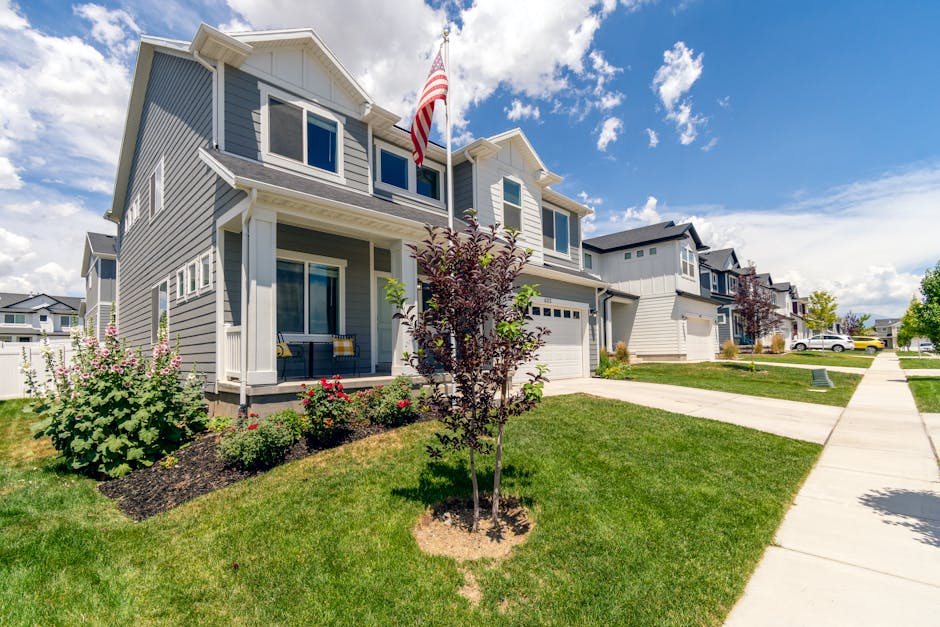
The story of homeownership in America is fundamentally a story of generations, with each cohort entering the housing market under dramatically different economic conditions, facing different affordability constraints, and bringing different values and preferences to the decision of whether and when to buy a home. The generational landscape of homeownership in the late 2020s is characterized by a stark divergence: older generations, particularly the Silent Generation and Baby Boomers, maintain homeownership rates that exceed 75 percent, while younger generations, particularly Millennials and Generation Z, struggle to achieve homeownership rates that even approach the levels that older generations had attained at the same stage of life. This divergence is not merely a function of age and life stage, though those factors play a role, but also reflects structural changes in the economy, the housing market, and the financial obligations that younger generations carry, all of which have made the path to homeownership more difficult than it was for the generations that preceded them.
The Silent Generation, born between 1928 and 1945, represents the cohort with the highest homeownership rate in America, with rates consistently above 78 percent among those who remain in the household population. Members of the Silent Generation came of age during the post-World War II economic expansion, a period of robust wage growth, widespread government support for housing through the GI Bill and Federal Housing Administration programs, and an unprecedented boom in single-family home construction that made homeownership accessible to a broad swath of the American middle class. Many members of the Silent Generation purchased their homes decades ago, when home prices were a fraction of their current values relative to income, and have benefited from decades of property appreciation that has substantially increased their net worth. The homes owned by the Silent Generation represent a significant portion of the existing housing stock, and as this generation continues to age, the gradual transfer or sale of these homes is reshaping the inventory available to younger buyers.
Baby Boomers, born between 1946 and 1964, constitute the largest generational cohort of homeowners in America, both in terms of the number of homeowners and the aggregate value of the homes they own. Boomers entered the housing market during the 1970s and 1980s, a period of moderate home price growth and relatively stable mortgage rates, and many purchased their first homes in their late twenties or early thirties, a timeline that is significantly earlier than the first-home purchase age of the generations that followed them. The Boomers have benefited from the long-term appreciation of residential real estate, with many having purchased homes in markets that have since experienced dramatic price increases, particularly in coastal and Sun Belt metropolitan areas. As of the late 2020s, Baby Boomers own approximately 38 percent of all owner-occupied homes in America, a share that is disproportionate to their share of the overall population, and this concentration of housing wealth among the Boomer generation has significant implications for the housing market as this cohort ages and eventually transitions out of homeownership.
Generation X, born between 1965 and 1980, occupies a bridging position between the Baby Boomers and the Millennials, and the homeownership experience of Generation X reflects the transitional economic conditions of the 1990s and 2000s. Generation X entered the housing market during a period of generally declining mortgage rates and expanding credit availability, and many Gen X households purchased their first homes in the late 1990s or early 2000s, benefiting from the housing market conditions that prevailed before the bubble of the mid-2000s. However, Generation X was also the generation most affected by the Great Recession of 2008 and the housing crash that accompanied it, as many Gen X homeowners were in the early years of their mortgages when home values collapsed, and some experienced foreclosure or were forced to sell at a loss, setting back their wealth accumulation and homeownership trajectory by years or even decades. Despite these setbacks, Generation X has largely recovered and maintains a homeownership rate of approximately 70 percent, though the recovery has been uneven, with significant disparities along racial, geographic, and income lines.
Millennials, born between 1981 and 1996, represent the generation whose homeownership trajectory has been most profoundly altered by the economic and housing market conditions of the past two decades. Millennials began entering the prime homebuying years in the early 2010s, just as the housing market was beginning to recover from the Great Recession, but they faced a set of challenges that were unprecedented in the post-World War II era: stagnant wage growth relative to rapidly rising home prices, record levels of student loan debt that constrained their ability to save for down payments, a tight mortgage market in the years immediately following the recession, and a shortage of entry-level housing inventory that drove up competition and prices for the homes that were available. Despite these headwinds, Millennials have gradually increased their homeownership rate, which stood at approximately 52 percent by the late 2020s, but this rate remains below the rate that Baby Boomers and Generation X had achieved at the same age, and the delayed homeownership of the Millennial generation has reshaped the demographic profile of the American housing market in ways that continue to reverberate.
The historical context of homeownership rates by generation reveals a pattern of declining age-adjusted homeownership across successive cohorts, a trend that began with Generation X and accelerated with the Millennials. When Baby Boomers were between the ages of 25 and 40, their homeownership rate was approximately 60 percent, compared to approximately 43 percent for Millennials in the same age range, a gap of 17 percentage points that represents a fundamental shift in the accessibility of homeownership for young adults in America. The causes of this decline are multifaceted and include the rising ratio of home prices to incomes, the increase in student debt burdens, the delay of marriage and childbearing, the concentration of job growth in high-cost metropolitan areas, and the reduction in entry-level home construction relative to historical norms. Understanding these causes is essential for anyone seeking to understand the current housing market or to project the future trajectory of homeownership in America.
The factors driving generational differences in homeownership extend beyond the housing market itself to encompass broader economic and social trends that have affected each generation differently. The student debt burden carried by Millennials and Generation Z is one of the most significant factors, with the average student loan balance for Millennial borrowers exceeding $40,000, a level that directly reduces the ability to save for a down payment and that affects the debt-to-income ratios that lenders evaluate during the mortgage qualification process. The wage growth trajectory for younger workers has also been less favorable than the trajectory experienced by older generations at the same career stage, with real wage growth for workers under 35 lagging behind the rate of home price appreciation by a significant margin. Additionally, the concentration of employment growth in high-cost coastal and tech-centric metropolitan areas has meant that the regions with the best job opportunities for young professionals are also the regions where homeownership is least affordable, creating a geographic mismatch between where young adults want to live and where they can afford to buy.
The role of timing and economic cycles in shaping generational homeownership outcomes cannot be overstated, as the economic conditions that prevail during the years when a generation enters the housing market can have effects that persist for decades. Baby Boomers who purchased their first homes in the 1970s and 1980s benefited from a period of generally rising home values and expanding economic opportunity, which allowed them to build equity and trade up to larger homes over time. Millennials who entered the housing market during or immediately after the Great Recession faced a very different environment, with depressed home values, tight credit, and weak labor market conditions that delayed their ability to purchase and that reduced the equity they could build in their early years of homeownership. The timing effect is compounded by the fact that the years when a generation enters the housing market also determine the mortgage rates they initially pay, and the Millennials who delayed purchasing until the 2020s found themselves facing mortgage rates that were significantly higher than the rates available to those who purchased during the period of historically low rates from 2015 through 2021.
The geographic patterns of generational homeownership reveal significant regional variation in the extent to which different generations have been able to achieve homeownership. In the Midwest and the South, where home prices have historically been lower relative to incomes, Millennials and Generation Z have been able to achieve homeownership rates that are closer to those of older generations at the same age, and the generational homeownership gap is correspondingly narrower. In the Northeast and the West Coast, where home prices have risen to levels that require incomes well above the regional median to afford a typical home, the generational homeownership gap is much wider, with Millennials and Generation Z in these regions facing homeownership rates that are dramatically lower than those of Baby Boomers and the Silent Generation in the same areas. The geographic variation in generational homeownership has contributed to domestic migration patterns, as young adults relocate from high-cost to more affordable regions in search of homeownership opportunities, a trend that has reshaped population growth patterns and housing demand across the country.
The racial and ethnic dimensions of generational homeownership gaps add another layer of complexity to the analysis, as the homeownership disparities between white households and Black and Hispanic households persist across all generations and are particularly pronounced among younger cohorts. The Black-white homeownership gap, which stood at approximately 30 percentage points in the aggregate, is wider among Millennials than among Baby Boomers, meaning that the generational decline in homeownership has disproportionately affected Black and Hispanic young adults. The causes of the racial homeownership gap include historical factors such as redlining and discriminatory lending practices, as well as contemporary factors such as the racial wealth gap, disparities in income and credit access, and the concentration of minority populations in higher-cost urban areas where homeownership is less affordable. Addressing the racial dimension of the generational homeownership gap requires targeted policy interventions that go beyond the general measures aimed at improving housing affordability, as the structural and historical factors that drive the racial gap are distinct from the factors that drive the overall generational decline.
The impact of the Great Recession on different generations provides a case study in how economic shocks can have divergent effects across age cohorts. For the Silent Generation and older Baby Boomers, who were largely established in their homes and careers by 2008, the recession primarily affected their investment portfolios and retirement savings, with relatively modest effects on their homeownership status. For younger Baby Boomers and Generation X, who were in the middle of their mortgage terms, the recession and housing crash were more disruptive, as many experienced declines in home value that pushed them underwater on their mortgages, and some lost homes to foreclosure. For Millennials, who were just entering the labor market or were in the early stages of their careers, the recession had the most profound effect on their homeownership trajectory, as the weak labor market, tight credit conditions, and depressed incomes of the post-recession years delayed their ability to accumulate the savings and credit history necessary to qualify for a mortgage, setting back their homeownership timeline by five to ten years relative to the trajectory of previous generations.
The intergenerational transfer of wealth and its relationship to homeownership is a critical factor in understanding the generational dynamics of the housing market. Baby Boomers and the Silent Generation hold the majority of housing wealth in America, and as these older generations pass away or transition to other living arrangements, their homes will be transferred to or sold for the benefit of younger generations through inheritance, gift, or sale. The intergenerational wealth transfer has the potential to significantly improve the homeownership prospects of Millennials and Generation Z, as the receipt of an inheritance or a financial gift from parents or grandparents can provide the down payment funds that many young adults have been unable to accumulate on their own. However, the intergenerational wealth transfer is unevenly distributed, with the beneficiaries concentrated among households whose parents or grandparents were themselves homeowners, meaning that the transfer is likely to reinforce rather than reduce the existing disparities in homeownership along racial and economic lines, as the children of non-homeowning families are far less likely to receive the kind of financial assistance that could help them achieve homeownership.
The policy responses to generational homeownership disparities have been multifaceted, though their effectiveness remains a subject of ongoing debate among housing policy experts and economists. Down payment assistance programs, which provide grants or forgivable loans to help first-time buyers cover the down payment and closing costs, have been expanded in many states and municipalities, targeting the specific barrier that most affects younger and lower-income buyers. First-time homebuyer tax credits and similar federal incentives have been proposed and in some cases implemented, designed to reduce the after-tax cost of purchasing a first home and to encourage homeownership among demographics that have been lagging. Zoning and land use reforms, aimed at increasing the supply of housing in high-cost markets by allowing denser and more affordable housing types, address the supply-side factors that have driven up home prices and made homeownership unattainable for many younger buyers. The effectiveness of these policies depends on their design, their scale, and their targeting, and no single policy is sufficient to fully close the generational homeownership gap, which is driven by a combination of factors that require a coordinated and comprehensive policy response.
The long-term implications of the generational shifts in homeownership extend beyond the housing market to affect the broader economy, the social fabric, and the retirement security of the generations involved. The delay in homeownership among Millennials and Generation Z means that these generations will have fewer years to build equity through mortgage paydown and property appreciation, which could result in lower wealth at retirement age compared to the generations that purchased homes earlier in life. The concentration of housing wealth among older generations, combined with the difficulty that younger generations face in achieving homeownership, contributes to a growing wealth gap between older and younger households, with implications for social mobility, economic inequality, and intergenerational equity. The shift also affects the rental market, as the households that delay or forgo homeownership remain in the rental market for longer, increasing demand for rental housing and driving up rents, which in turn makes it even more difficult for these households to save for a down payment, creating a feedback loop that can perpetuate the delay in homeownership across the life course of the affected generation.
In conclusion, the generational shifts in homeownership represent one of the most significant demographic transformations in the American housing market, and understanding these shifts is essential for anyone who is involved in housing, whether as a buyer, a seller, a policy maker, or a mortgage professional. The divergence in homeownership rates between older and younger generations reflects a complex interplay of economic, demographic, and social factors, and the implications of this divergence will reverberate through the housing market and the broader economy for decades to come. For younger adults who are navigating the path to homeownership, understanding the structural factors that have made homeownership more difficult is an important first step in developing a strategy to overcome those barriers, and working with a knowledgeable mortgage professional who understands the challenges faced by first-time and younger buyers can be invaluable in that process. This article is for educational purposes only and does not constitute financial advice. Readers should consult a licensed mortgage professional for guidance specific to their individual situation.

Have Questions About Your Mortgage Options?
Speak with Ebonie Beaco, Senior Mortgage Loan Officer (NMLS #2389954).
Editorial Disclosure: This article is published by Mortgage & Real Estate Strategist Magazine for informational and educational purposes. It does not constitute legal, tax, financial, or investment advice. Mortgage and real estate professionals should consult appropriate experts and verify current program guidelines before making decisions based on this content.
Sources & References
- Census Bureau Population Estimates
- National Association of Realtors Buyer and Seller Profiles
- Freddie Mac Housing Demographics Report
Sources Last Verified: November 8, 2026
Publisher & Mortgage Strategist
Ebonie Beaco is the founder and publisher of Mortgage & Real Estate Strategist Magazine. She is a licensed mortgage loan officer (NMLS #2389954) affiliated with NEXA Lending (NMLS #1660690), providing lending services in multiple states. She covers mortgage strategy, lending programs, and real estate investing.
Read More Articles by Ebonie Beaco