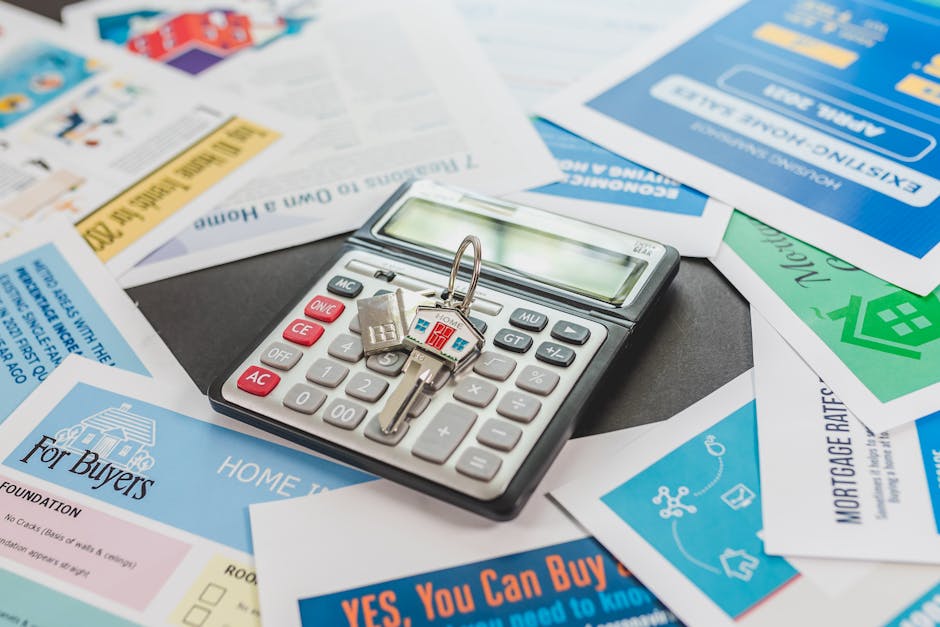
The hidden costs of homeownership have increased nearly 32 percent over the past five years, according to research published by Zillow, a trajectory that has significantly outpaced the growth in median household income over the same period. The finding draws attention to a category of housing expenses that often receives less public scrutiny than mortgage rates or purchase prices but that collectively represents a substantial and growing burden for American homeowners. These costs, which include property taxes, homeowners insurance, utilities, and routine maintenance, have risen at a pace that threatens to reshape the long-standing assumption that owning a home is a reliable path to building wealth.
Property taxes account for a significant portion of the increase, driven by rising home values that have pushed assessed valuations higher across much of the country. Local governments rely on property tax revenue to fund schools, public safety, and infrastructure, and as home values have climbed, tax bills have followed suit. In many jurisdictions, assessment cycles lag behind market movements, meaning that homeowners may face tax increases well after the market peak, creating a mismatch between current home values and the tax obligations attached to them. Some states have implemented caps or homestead exemptions to moderate these increases, but the protections vary widely and often do not fully insulate homeowners from rising bills.
Homeowners insurance has emerged as perhaps the most volatile component of the hidden cost equation. Premiums have risen sharply in recent years, particularly in regions prone to natural disasters such as wildfires, hurricanes, and severe flooding. The frequency and severity of these events have strained insurer balance sheets, prompting rate increases that in some cases have doubled annual premiums within a short span of years. The situation has grown acute enough that some major insurers have withdrawn from certain markets entirely, leaving homeowners in affected areas with fewer coverage options and higher costs as remaining insurers price in the elevated risk.
The withdrawal of insurers from specific markets represents a structural shift with implications that extend beyond individual policyholders. In states like California and Florida, where disaster risk is particularly concentrated, the contraction of the private insurance market has forced some homeowners into state-backed insurers of last resort, which often charge higher premiums and offer less comprehensive coverage. This dynamic creates a feedback loop: higher insurance costs increase the total cost of ownership, which can depress home values in affected areas, which in turn can strain municipal budgets reliant on property tax revenue. The compounding effects illustrate how climate-related risk is becoming an increasingly central factor in housing economics.
Utility costs have also contributed meaningfully to the overall increase. Electricity, natural gas, water, and sewer rates have risen as utilities invest in infrastructure upgrades, transition to cleaner energy sources, and cope with supply chain pressures that have inflated the cost of materials and labor. Extreme weather events contribute to higher utility bills as well, with heat waves driving cooling costs and cold snaps increasing heating expenses. For homeowners in regions with older housing stock, the combination of rising utility rates and poor energy efficiency can produce especially burdensome annual costs that compound year over year.
Routine maintenance, often underestimated by first-time buyers, constitutes another significant and growing expense category. The cost of labor and materials for home repairs has risen substantially, reflecting broader inflation in the construction and skilled trades sectors. A roof replacement, HVAC system installation, or major plumbing repair that might have cost a fraction of current prices a decade ago now represents a five-figure expenditure for many homeowners. The aging of the American housing stock, with a median home age now exceeding 40 years in many markets, means that more homes are reaching the point where major systems require replacement, pushing maintenance costs higher across the board.
The acceleration of these hidden costs carries significant implications for housing affordability, an issue that is typically framed in terms of mortgage payments and purchase prices. The standard affordability metric, which compares monthly housing costs to household income, often underweights the full burden of ownership by focusing on principal, interest, taxes, and insurance while omitting utilities and maintenance. When all ownership costs are included, the picture becomes considerably more concerning, particularly for moderate-income households that spend a disproportionate share of their income on housing-related expenses.
For prospective homebuyers, the rising cost of ownership complicates the already difficult decision of whether to buy or continue renting. While renting carries its own set of escalating costs, the predictability of a monthly rent payment can appear attractive compared with the unpredictable and potentially open-ended expenses associated with owning. First-time buyers, in particular, may be unprepared for the financial demands of maintenance and repair, especially if they are purchasing older or lower-priced homes that may require more immediate attention. Financial advisors increasingly recommend that buyers budget not only for the down payment and closing costs but also for a reserve fund that can absorb unexpected repairs and rising recurring expenses.
The divergence between hidden cost growth and income growth is perhaps the most troubling aspect of the Zillow findings. While the hidden costs of ownership have risen nearly 32 percent over five years, median household income has grown at a slower pace, meaning that ownership is consuming an increasing share of household budgets. This trend is particularly pronounced in markets where home prices have appreciated most aggressively, as the combination of high mortgage payments, elevated property taxes, and rising insurance and utility costs creates a cumulative burden that can strain even upper-middle-income households.
The long-term consequences of this trend could be significant for wealth building and intergenerational economic mobility. Homeownership has historically been one of the primary vehicles through which American families accumulate wealth, with equity building over time as mortgage balances decline and property values appreciate. If the rising cost of ownership forces families to allocate more income to simply maintaining their homes rather than building equity or saving for other goals, the wealth-building function of homeownership could be diminished. This would have disproportionate effects on lower-income and first-generation homebuyers, who typically have less financial cushion to absorb rising costs.
Policy responses to the hidden cost problem remain limited and fragmented. Property tax relief programs exist in some states but vary widely in scope and effectiveness. Insurance market reform has proven difficult, as regulators must balance consumer protection against the financial viability of insurers facing genuine increases in risk. Energy efficiency incentives, such as tax credits for insulation, windows, and efficient appliances, can help reduce utility costs over time, but adoption has been uneven and the upfront costs can be prohibitive for households already stretched by ownership expenses. A more comprehensive policy framework may be needed to address the structural drivers of rising ownership costs.
The Zillow research serves as an important corrective to the tendency to evaluate housing costs through the narrow lens of mortgage rates and purchase prices. For current homeowners, the data reinforces the importance of budgeting realistically for the full cost of ownership and maintaining adequate reserves for maintenance and unexpected expenses. For prospective buyers, it underscores the need to look beyond the listing price and monthly payment to understand the total financial commitment involved. And for policymakers, it highlights a growing affordability challenge that extends well beyond the front-end cost of obtaining a mortgage and into the ongoing economics of keeping and maintaining a home over the long term.

Have Questions About Your Mortgage Options?
Speak with Ebonie Beaco, Senior Mortgage Loan Officer (NMLS #2389954).
Editorial Disclosure: This article is published by Mortgage & Real Estate Strategist Magazine for informational and educational purposes. It does not constitute legal, tax, financial, or investment advice. Mortgage and real estate professionals should consult appropriate experts and verify current program guidelines before making decisions based on this content.
Sources & References
Sources Last Verified: November 8, 2026
Publisher & Mortgage Strategist
Ebonie Beaco is the founder and publisher of Mortgage & Real Estate Strategist Magazine. She is a licensed mortgage loan officer (NMLS #2389954) affiliated with NEXA Lending (NMLS #1660690), providing lending services in multiple states. She covers mortgage strategy, lending programs, and real estate investing.
Read More Articles by Ebonie Beaco