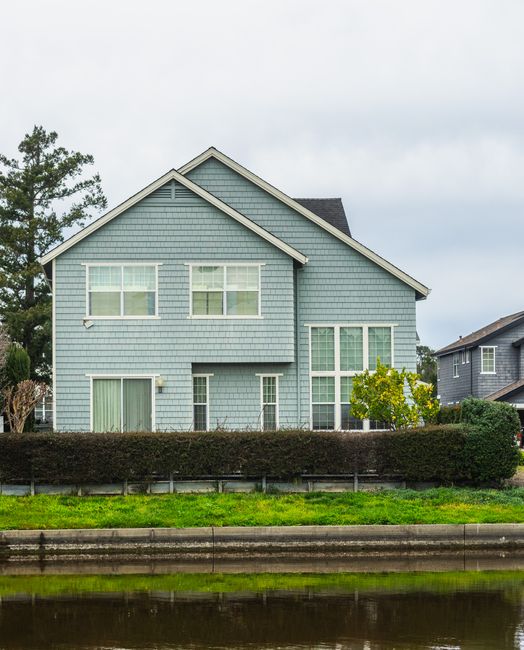
The manufactured home market in 2026 is experiencing a period of significant transformation, driven by the convergence of several powerful trends that are reshaping the housing landscape and elevating the role of factory-built housing in addressing the national affordability crisis. The median price of a site-built single-family home has risen to levels that place homeownership out of reach for a growing share of American households, particularly first-time buyers, low and moderate income families, and households in high-cost markets where the gap between incomes and home prices has widened to historic extremes. Manufactured homes, which cost a fraction of what a comparable site-built home costs on a per-square-foot basis, have emerged as one of the most viable pathways to affordable homeownership for households that are priced out of the traditional housing market, and the demand for manufactured housing has grown accordingly, with shipment volumes, community occupancy rates, and manufacturer order books all reflecting the increased demand.
The affordability crisis that is driving demand for manufactured homes is a multifaceted phenomenon that has been building for more than a decade and that has been intensified by the supply and demand imbalances that emerged during and after the pandemic. The national median home price reached a level in 2026 that is more than six times the national median household income, well above the four-to-one ratio that has historically been considered the threshold of affordability, and in many high-cost markets the price-to-income ratio exceeds ten to one. The supply of affordable site-built homes has been constrained by the cumulative effect of years of underproduction, the rising cost of construction materials and labor, the scarcity of buildable land in desirable markets, and the regulatory and zoning barriers that limit the development of entry-level housing. Manufactured homes, which are built in factories where the construction process is efficient, standardized, and subject to economies of scale, can be produced at a cost that is typically forty to fifty percent lower than the cost of a comparable site-built home, making them a critical source of affordable housing supply.
The demand growth for manufactured homes is reflected in the shipment data published by the Department of Housing and Urban Development and the Census Bureau, which tracks the number of manufactured homes shipped from factories to dealers and installation sites. After a period of declining shipments in the early 2020s, the manufactured home shipment volume has recovered and grown, driven by the affordability-driven demand from households that cannot afford site-built homes, the increased availability of financing through both agency and non-QM channels, and the growing acceptance of manufactured housing as a legitimate and quality housing option. The shipment growth has been concentrated in the southern and southwestern states, where the climate is conducive to manufactured housing, where the regulatory environment is generally favorable, and where the population growth has created strong demand for affordable housing. The demand growth has also been reflected in the manufactured home community sector, where occupancy rates have increased and where community operators have reported strong demand for both rental and ownership units.
The financing evolution that has accompanied the demand growth is one of the most significant developments in the manufactured home market, and it has the potential to further expand the accessibility of manufactured housing to households that have historically been underserved by the lending market. The Fannie Mae MH Advantage program and the Freddie Mac Home Possible Manufactured Housing program, which were launched in recent years to provide agency-backed financing for manufactured homes that meet specific eligibility criteria, have expanded the availability of conventional financing for manufactured homes and have introduced competitive pricing into a market that was previously dominated by chattel lending. The non-QM lending market has also evolved, with an increasing number of non-QM lenders offering manufactured home loan products that accommodate borrowers and properties that do not meet the agency eligibility criteria, providing a financing pathway for self-employed borrowers, borrowers with recent credit events, and properties that do not meet the agency foundation or construction requirements.
The chattel lending market, which remains the primary financing channel for manufactured homes that are not classified as real property, has also evolved in response to market conditions and regulatory developments. The Government National Mortgage Association Manufactured Home Loan securitization program, which provides a secondary market for chattel loans, has increased the liquidity and the competitiveness of the chattel lending market by allowing chattel lenders to sell their loans into a government-backed securitization, which frees up capital for new originations and which provides pricing benchmarks that help to standardize the chattel loan pricing across lenders. The chattel lending market remains more expensive than the real property mortgage market, with interest rates that are significantly higher than agency conforming rates, but the gap has narrowed somewhat as the securitization program has increased the efficiency and the transparency of the chattel lending market.
The demographic drivers of the manufactured home demand growth include several key population segments that are increasingly turning to manufactured housing as a viable housing option. First-time home buyers, who are disproportionately affected by the affordability crisis because they do not have equity from a prior home to apply to the down payment, are increasingly considering manufactured homes as an entry point into homeownership, particularly in markets where the price of a site-built starter home exceeds the borrowing capacity of a typical first-time buyer household. Retirees and seniors on fixed incomes are another key demographic segment, as manufactured homes offer a way to reduce housing costs in retirement and to preserve savings for other retirement expenses, and the manufactured home community sector has developed amenities and services that are specifically designed for the senior demographic. Workers in high-cost markets who are priced out of site-built housing but who want to remain in the area for employment reasons are also increasingly turning to manufactured homes as a way to live in the market where they work without spending an unsustainable share of their income on housing.
The policy and regulatory developments that are shaping the manufactured home market include several initiatives at the federal and state levels that are designed to expand the availability and the affordability of manufactured housing. The Department of Housing and Urban Development has updated the HUD Code standards to improve the energy efficiency, the durability, and the quality of manufactured homes, and has implemented programs to facilitate the conversion of manufactured homes from personal property to real property in order to expand access to more affordable real property financing. The Consumer Financial Protection Bureau has continued to study the manufactured housing finance market and has taken enforcement actions against chattel lenders that have engaged in predatory or discriminatory lending practices, which has increased the consumer protection standards in the chattel lending market. Several states have enacted laws that facilitate the installation of manufactured homes on permanent foundations, that streamline the title conversion process, and that protect manufactured home community residents from excessive lot fee increases and unfair eviction practices.
The zoning and land use barriers that have historically constrained the placement of manufactured homes remain a significant challenge, and they are one of the primary factors limiting the growth of the manufactured home market in many markets. Many municipalities have zoning ordinances that restrict or prohibit the placement of manufactured homes in certain areas, that require manufactured homes to meet design standards that exceed the HUD Code, or that impose setback, screening, or aesthetic requirements that are not applied to site-built homes. These zoning barriers reflect a combination of legitimate land use concerns, aesthetic preferences, and in some cases prejudice against manufactured housing and its residents, and they have the effect of limiting the supply of land where manufactured homes can be placed, which drives up the cost of manufactured home lots and which constrains the ability of the manufactured home market to meet the demand for affordable housing. Several states have enacted laws that limit the ability of municipalities to discriminate against manufactured housing in their zoning ordinances, but the zoning landscape remains a patchwork of varying restrictions that borrowers and developers must navigate.
The technological and design innovations in the manufactured home industry are contributing to the changing perception of manufactured housing and to the growing acceptance of manufactured homes as a quality housing option. Modern manufactured homes bear little resemblance to the mobile homes of previous decades, with designs that include pitched roofs, attached garages, covered porches, and exterior finishes that are indistinguishable from site-built homes. The interior finishes and amenities of modern manufactured homes include features such as granite countertops, stainless steel appliances, hardwood-style flooring, and smart home technology, and the floor plans are designed to provide open, functional living spaces that meet the expectations of contemporary home buyers. The construction quality of modern manufactured homes, which is subject to the rigorous HUD Code inspection and certification process, is comparable to the construction quality of site-built homes, and the energy efficiency of manufactured homes has improved significantly with the updated HUD Code standards that require higher insulation levels, more efficient windows, and more efficient heating and cooling systems.
The manufactured home community sector is undergoing its own transformation, with the emergence of community models that differ from the traditional model of a community operator that owns the land and leases the lots to manufactured home owners. The resident-owned community model, in which the residents of a manufactured home community collectively purchase the land and the community infrastructure through a cooperative or a limited equity corporation, has gained traction as a way to provide community residents with greater tenure security and to protect them from lot fee increases and potential community closure or conversion. The community purchase model, in which a manufactured home community is purchased by a nonprofit organization or a public housing authority that commits to maintaining the community as affordable housing, is another model that is expanding in some markets. These alternative community models address one of the fundamental vulnerabilities of manufactured home ownership in a leased-lot community, which is the risk that the community operator may increase the lot fee to a level that the resident cannot afford or may sell the community for redevelopment, which would displace the residents and potentially destroy the equity that they have built in their manufactured homes.
The investment landscape for manufactured housing has evolved significantly, with increasing interest from institutional investors, private equity firms, and real estate investment trusts that have identified the manufactured home community sector as an attractive investment opportunity. The institutional investment in manufactured home communities has brought capital and professional management to the sector, which has resulted in improved community infrastructure and amenities in some cases, but it has also raised concerns about the impact of institutional ownership on the affordability of community lot fees and on the tenure security of community residents. The balance between the benefits of institutional investment and the risks of institutional ownership is a topic of ongoing debate among policymakers, community advocates, and industry participants, and it is likely to shape the regulatory environment for manufactured home communities in the coming years.
The interest rate environment of late 2026 has a direct impact on the manufactured home market, as it does on the broader housing market, with higher interest rates increasing the cost of financing and reducing the purchasing power of potential manufactured home buyers. The non-QM and chattel lending markets, which carry higher interest rates than the agency conforming market, are particularly sensitive to the rate environment, as an increase in the base rate translates into a larger monthly payment increase on a non-QM or chattel loan than on an agency loan. The stabilization of interest rates in late 2026 has provided some relief to the manufactured home market, and the modest recovery in agency and non-QM lending activity has supported the demand for manufactured homes, but the rate environment remains a constraint on the growth of the market, particularly for borrowers who are sensitive to the monthly payment and who may be priced out of the market if rates rise further.
The outlook for the manufactured home market as 2026 draws to a close is cautiously positive, with the affordability-driven demand expected to continue growing as the site-built housing market remains out of reach for a large share of American households. The financing evolution, including the expansion of agency programs, the growth of the non-QM manufactured home lending market, and the development of the chattel securitization market, is expected to continue, which should increase the accessibility and the affordability of manufactured home financing. The policy and regulatory developments, including the efforts to facilitate the conversion of manufactured homes to real property, the consumer protection initiatives in the chattel lending market, and the zoning reform efforts, are expected to gradually remove some of the barriers that have constrained the manufactured home market. The technological and design innovations are expected to continue improving the quality and the market acceptance of manufactured homes, which should further expand the pool of potential buyers.
The role of the manufactured home retailer and dealer network in shaping the financing choices of manufactured home buyers is an important but often overlooked factor in the classification and financing landscape, as the dealer is frequently the first point of contact for the buyer and is positioned to steer the buyer toward specific financing options that may or may not be the most favorable for the borrower. Many manufactured home dealers have preferred relationships with chattel lenders, and the dealer may receive compensation or volume incentives from the chattel lender for directing business to that lender, which can create a conflict of interest if the borrower would be better served by a real property mortgage through an independent lender. Borrowers should be aware of this dynamic and should insist on the freedom to shop for financing independently of the dealer, should compare the dealer offered financing against quotes from independent mortgage lenders and non-QM lenders, and should evaluate whether the real property classification and the corresponding real property mortgage would provide a lower total cost of financing than the chattel loan that the dealer is promoting. The borrower who takes control of the financing decision and who evaluates all options independently is far more likely to achieve a favorable outcome than the borrower who accepts the dealer recommended financing without independent comparison.
In conclusion, the manufactured home market in 2026 is at an inflection point, with the convergence of the affordability crisis, the demand growth, the financing evolution, and the policy developments creating conditions that could support a significant expansion of the manufactured housing sector in the coming years. Borrowers who are considering a manufactured home purchase should be aware of the market trends that are shaping the availability and the cost of manufactured home financing, and should work with a mortgage professional who understands the manufactured home market and who can help them navigate the financing options and the lender landscape. The manufactured home market is complex and evolving, but for borrowers who are seeking an affordable path to homeownership, it represents one of the most promising segments of the housing market. This article is for educational purposes only and does not constitute a loan offer or financial advice. Borrowers should consult a licensed mortgage professional for guidance specific to their individual situation.

Have Questions About Your Mortgage Options?
Speak with Ebonie Beaco, Senior Mortgage Loan Officer (NMLS #2389954).
Editorial Disclosure: This article is published by Mortgage & Real Estate Strategist Magazine for informational and educational purposes. It does not constitute legal, tax, financial, or investment advice. Mortgage and real estate professionals should consult appropriate experts and verify current program guidelines before making decisions based on this content.
Sources & References
- HUD Manufactured Home Construction and Safety Standards
- Fannie Mae Manufactured Housing Guide
- Freddie Mac Seller Guide Chapter 570
- CFPB Qualified Mortgage Rule
- NMLS Consumer Access
Sources Last Verified: November 8, 2026
Publisher & Mortgage Strategist
Ebonie Beaco is the founder and publisher of Mortgage & Real Estate Strategist Magazine. She is a licensed mortgage loan officer (NMLS #2389954) affiliated with NEXA Lending (NMLS #1660690), providing lending services in multiple states. She covers mortgage strategy, lending programs, and real estate investing.
Read More Articles by Ebonie Beaco