The non-QM second home and investor loan market in 2026 is experiencing a period of significant evolution and growth, driven by a combination of borrower demand factors, market condition changes, and product innovation among non-QM lenders that is expanding the range of financing options available to second home buyers and real estate investors. The market conditions that prevailed during the period of rapid rate escalation in 2023 and 2024, which suppressed demand for second home and investment property financing and caused many non-QM lenders to retreat from the market, have given way to a more stable environment that is supporting renewed demand and lender engagement. The stabilization of interest rates, the adjustment of property values to the new rate environment, and the maturation of the non-QM securitization market have created conditions that are conducive to the growth and development of the non-QM second home and investor lending segment.
The borrower demand for non-QM second home and investor loans in 2026 is being driven by several factors that are specific to the current economic and demographic environment. The continued growth of the self-employed and gig economy workforce, which represents a significant portion of the non-QM borrower base, is generating demand for non-QM financing from borrowers whose income profiles do not align with agency underwriting guidelines. The aging of the baby boomer generation, which is driving demand for second home purchases among retirees and pre-retirees who have accumulated substantial home equity and liquid assets, is another demand factor, as many of these borrowers have complex financial profiles that benefit from the alternative documentation methods that non-QM programs offer. The continued interest in real estate investment among individual investors, who are seeking to build rental portfolios as a component of their retirement and wealth-building strategies, is driving demand for non-QM investor loans, particularly DSCR loans that enable portfolio growth without personal income constraints.
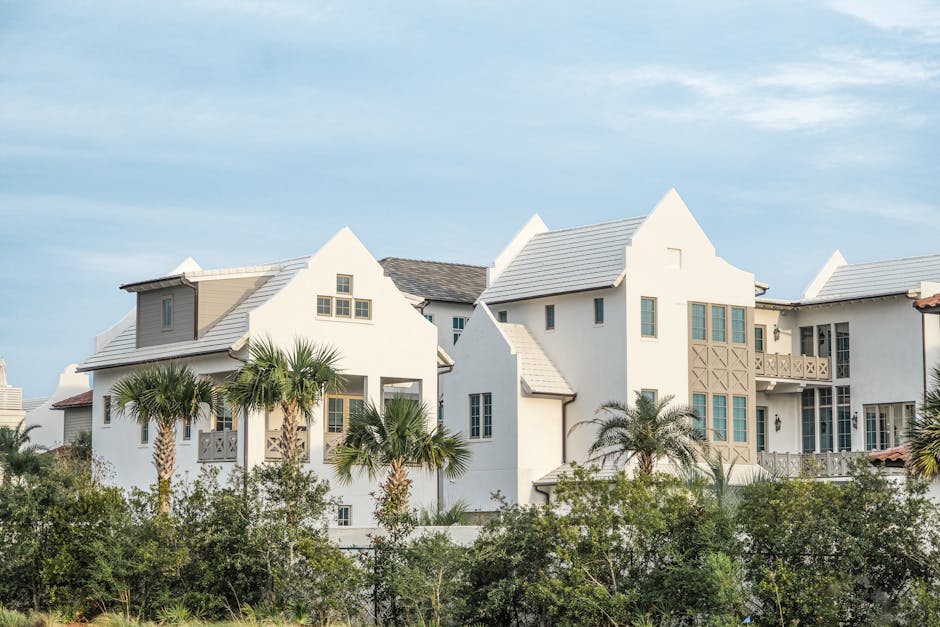
The geographic market trends in non-QM second home and investor lending in 2026 reflect the diverse and distributed nature of the demand for second home and investment property financing. Second home non-QM lending is concentrated in the traditional vacation and recreational property markets, including the coastal markets of Florida, the Carolinas, and the Gulf Coast, the mountain markets of Colorado, Utah, and Idaho, the lake markets of the Great Lakes region and the Southeast, and the desert markets of Arizona and Nevada. Investment property non-QM lending is more broadly distributed, reflecting the distribution of rental investment opportunities across both urban and suburban markets nationwide, with particular concentration in the Sun Belt markets that have experienced strong population growth, employment growth, and rent growth in recent years, including Texas, Florida, Georgia, North Carolina, Tennessee, and Arizona. The geographic distribution of non-QM lending activity reflects the investor search for markets with favorable rent-to-price ratios, strong rental demand, and positive demographic and economic trends.
The interest rate environment in 2026 is a critical factor shaping the non-QM second home and investor lending market, as the prevailing rates determine the affordability of non-QM financing for second home buyers and the investment return calculus for real estate investors. The stabilization of rates at a level that is below the peak rates of 2023 and 2024 but above the historically low rates of 2020 and 2021 has created a market in which non-QM financing is more affordable than during the peak rate period, supporting renewed demand, while remaining expensive enough to require careful investment return analysis by investors. The rate environment has also affected the non-QM securitization market, as the spread between non-QM loan rates and the yields on securitization bonds determines the economics of non-QM loan securitization and the pricing at which non-QM lenders can profitably originate and sell loans. The functioning of the securitization market is essential to the availability and pricing of non-QM loan programs, and the improvement in securitization market conditions in 2026 has supported the expansion of non-QM lender capacity and product offerings.
The product evolution in the non-QM second home and investor loan market in 2026 is characterized by the refinement and expansion of existing non-QM programs and the introduction of new programs that address specific borrower segments and property types. The DSCR loan product has been refined by many non-QM lenders to offer more flexible qualification parameters, including lower minimum DSCR requirements, higher loan-to-value ratios, and expanded property type eligibility, as lenders compete for investor loan volume by relaxing qualification standards within prudent risk management boundaries. The bank statement loan product has been expanded to offer longer bank statement periods, more flexible expense ratio calculations, and the ability to combine bank statement income with other income sources, as lenders seek to serve a broader range of self-employed borrowers. New products, including interest-only DSCR loans, short-term bridge loans for investors, and renovation loans for investment property fix-and-flip strategies, have been introduced by select non-QM lenders, expanding the toolkit available to real estate investors.
The lender competition in the non-QM second home and investor loan market has intensified in 2026 as more lenders have entered or re-entered the non-QM lending space in response to the improved market conditions and the growth in borrower demand. The competitive landscape includes specialized non-QM lenders that focus exclusively on non-agency lending, mortgage companies that offer non-QM products alongside their agency offerings, and depository institutions that have launched non-QM product lines to serve borrower segments that do not qualify for agency financing. The intensifying competition is benefiting borrowers through more competitive pricing, more flexible qualification standards, and a broader range of product options, but it is also creating a more complex shopping environment in which borrowers must evaluate and compare offerings from multiple lenders to identify the best fit for their specific situation. The competition is also driving lenders to differentiate themselves through specialized expertise, customer service, and technology-enabled origination processes that improve the borrower experience.
The technology and process improvements that non-QM lenders have implemented in 2026 are enhancing the borrower experience and the operational efficiency of non-QM loan origination, addressing what has historically been a weakness of the non-QM lending segment relative to the agency lending segment. Non-QM lenders have invested in digital application platforms that enable borrowers to submit applications, upload documentation, and track loan status online, reducing the paperwork burden and the processing time associated with non-QM loan applications. Automated underwriting tools that can evaluate bank statement income, calculate DSCR, and assess property cash flow have been deployed by several non-QM lenders, enabling faster loan decisions and more consistent underwriting outcomes. The technology investments are closing the gap between the non-QM and agency lending experiences, making non-QM financing more accessible and appealing to borrowers who have come to expect digital-first interaction models from their financial service providers.
The second home market trends in 2026 reflect a shift in buyer behavior and preferences that is affecting the demand for non-QM second home financing. The remote work phenomenon, which accelerated during the pandemic and has become a permanent feature of the employment landscape for many knowledge workers, has expanded the pool of potential second home buyers by enabling workers to spend extended periods at a second home location while maintaining their employment. The shift toward experiential spending among younger demographic cohorts, who prioritize travel and leisure experiences over material goods, is driving demand for second homes that serve as both personal retreats and rental income generators when not in personal use. The convergence of these trends is creating a second home market that is more dynamic and more diverse than in prior periods, and the non-QM second home loan programs that can accommodate the varied financial profiles and property types that these buyers seek are well positioned to capture the growing demand.
The investment property market trends in 2026 reflect the continued strong interest in real estate investment among individual investors, driven by the desire for passive income, portfolio diversification, and long-term wealth building. The rental market fundamentals, including strong rental demand, rising rents, and low vacancy rates in many markets, are supporting the investment thesis for rental property acquisition, as the cash flow and appreciation potential of rental properties remain attractive relative to other investment alternatives. The single-family rental market, in particular, has continued to attract individual investor capital, as the demand for single-family rental homes from families who are priced out of homeownership or who prefer the flexibility of renting continues to grow. The non-QM investor loan programs, particularly DSCR loans that enable efficient acquisition of single-family rental properties, are well positioned to serve the continued demand from individual investors who are building rental portfolios.
The regulatory and compliance environment for non-QM second home and investor lending in 2026 is stable, with no significant new regulatory developments that would materially affect the non-QM lending market. The Consumer Financial Protection Bureau continued enforcement of the Ability-to-Repay Rule ensures that non-QM lenders maintain good-faith ability-to-repay determinations for all non-QM loans, and the non-QM lending industry has matured to a point where compliance with the ability-to-repay requirements is well established and integrated into the non-QM underwriting process. The regulatory stability provides a predictable operating environment for non-QM lenders, supporting their willingness to invest in product development, technology, and capacity expansion. The potential for future regulatory changes, particularly in areas such as non-QM securitization reporting requirements and consumer disclosure requirements, is a factor that non-QM lenders monitor, but the current regulatory environment is not a significant constraint on the growth of the non-QM second home and investor lending market.
The outlook for the non-QM second home and investor lending market in the remainder of 2026 and into 2027 is positive, with the market conditions supporting continued growth in origination volume, ongoing product innovation, and intensifying lender competition. The factors that will shape the market trajectory include the interest rate environment, which will influence the affordability of non-QM financing and the investment return calculus for real estate investors; the health of the broader housing market, which will affect property values and the availability of acquisition opportunities; the performance of the non-QM securitization market, which will determine the liquidity and pricing capacity of non-QM lenders; and the demographic and economic trends that drive demand for second home and investment property financing. The non-QM lending market has demonstrated resilience and adaptability through the rate cycle, and the market is positioned for sustainable growth as the borrower segments that non-QM programs serve continue to expand and as the non-QM lending infrastructure continues to mature.
The strategic implications of the current non-QM second home and investor lending market conditions for borrowers center on the availability of a diverse and competitive set of non-QM financing options, with favorable pricing relative to the peak rate period, flexible qualification standards that accommodate a range of borrower profiles, and a growing lender landscape that provides meaningful choice. Borrowers who are considering a non-QM second home or investor loan should take advantage of the competitive market by obtaining quotes from multiple non-QM lenders, comparing the pricing, the qualification requirements, and the product features across lenders, and selecting the lender and the program that best align with their financial situation and their property objectives. Borrowers should also be prepared for the documentation requirements associated with the non-QM documentation method they select, and should work with a mortgage professional who has expertise in non-QM lending and who can guide them through the program selection and application process.
In conclusion, the non-QM second home and investor lending market in 2026 is a dynamic and growing segment of the residential mortgage market that provides essential financing access to borrowers whose profiles or property objectives fall outside the agency loan parameters. The market trends, including the renewed borrower demand, the geographic market dynamics, the product innovation, the lender competition, and the technology investments, are creating a market environment that is more favorable for borrowers than at any time since the non-QM lending segment emerged as a significant market force. As the market continues to evolve, the non-QM lending segment is likely to play an increasingly important role in the broader mortgage market, serving the growing population of borrowers who do not fit the agency mold and providing the financing that enables second home ownership and real estate investment portfolio building. This article is for educational purposes only and does not constitute a loan offer or financial advice. Borrowers should consult a licensed mortgage professional for guidance specific to their individual situation.

Have Questions About Your Mortgage Options?
Speak with Ebonie Beaco, Senior Mortgage Loan Officer (NMLS #2389954).
Property Selling, Off-Market Real Estate & Investor Resources
Explore Property Selling & Investor Resources
Visit REI Invest Capital for professional services and resources.
This is a promotional link to an affiliated business of the publisher, separate from the magazine's editorial content.
Editorial Disclosure: This article is published by Mortgage & Real Estate Strategist Magazine for informational and educational purposes. It does not constitute legal, tax, financial, or investment advice. Mortgage and real estate professionals should consult appropriate experts and verify current program guidelines before making decisions based on this content.
Sources & References
- Fannie Mae Second Home Guidelines B2-2
- Freddie Mac Seller Guide
- CFPB Qualified Mortgage Rule
- NMLS Consumer Access
- IRS Publication 527 Residential Rental Property
Sources Last Verified: November 8, 2026
Publisher & Mortgage Strategist
Ebonie Beaco is the founder and publisher of Mortgage & Real Estate Strategist Magazine. She is a licensed mortgage loan officer (NMLS #2389954) affiliated with NEXA Lending (NMLS #1660690), providing lending services in multiple states. She covers mortgage strategy, lending programs, and real estate investing.
Read More Articles by Ebonie Beaco