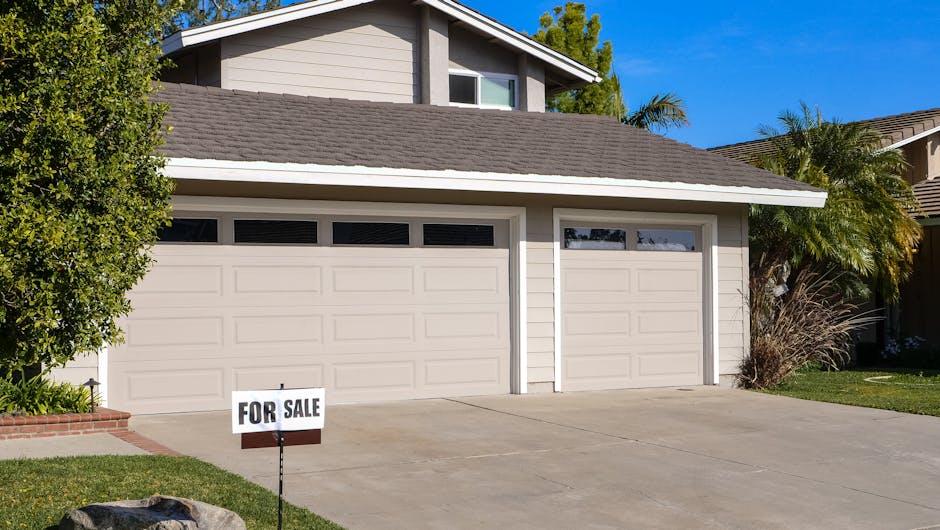
Property taxes are the lifeblood of local government in the United States. They fund schools, fire and police departments, road maintenance, libraries, parks, and in many jurisdictions, water and sewer infrastructure. For homeowners, they are also one of the most significant and persistent costs of ownership — a bill that arrives every year, that generally increases over time, and that does not disappear even after the mortgage is paid off. Yet despite their financial weight, I find that very few of the buyers I counsel over a 25-year career truly understand how their property tax bill is calculated, what rights they have to contest it, or what exemptions might reduce it. This guide is intended to close that gap.
The mechanics of property taxation begin with two fundamental components: the assessed value of the property and the tax rate, often expressed in mills (one mill equals one dollar of tax per thousand dollars of assessed value) or as a percentage. The assessed value is determined by the local tax assessor, an official or office responsible for estimating the market value of every property in the jurisdiction for tax purposes. It is important to understand that assessed value is not necessarily the same as market value or appraised value. Some jurisdictions assess at full market value, while others assess at a fraction of market value — for example, at 10 or 35 percent — and then apply the millage rate to that fractional assessment. Other jurisdictions use classification systems that tax residential property at a different rate than commercial or agricultural property.
How does an assessor determine your property’s value? In most jurisdictions, assessors use a combination of three standard appraisal approaches. The sales comparison approach looks at recent sales of comparable properties in your area and adjusts for differences in size, condition, location, and features. The cost approach estimates what it would cost to replace the structure new, minus depreciation, plus the land value. The income approach, used primarily for rental and commercial property, capitalizes the income the property generates. For mass appraisal purposes — which is how residential property is typically valued — assessors rely heavily on statistical models and recent sales data rather than individual interior inspections. This means your assessed value is, in effect, a statistical estimate, and statistical estimates can be wrong.
One of the most important things to understand as a homebuyer is the relationship between a sale and a reassessment. In many states, a transfer of ownership triggers a reassessment at current market value, which can cause a dramatic jump in the tax bill. This is especially common in states with assessment caps or homestead protections that limit annual increases for existing owners. For example, a seller who has owned a home for 20 years in a state that caps annual assessment increases at three percent may be paying taxes on a value far below the current market value. When you purchase that home at market price, the jurisdiction may reset the assessed value to your purchase price, and your tax bill could be substantially higher than the seller’s. I have seen buyers shocked by a tax bill that is double what they were told the seller paid. Always ask your real estate agent or the county assessor’s office whether a sale will trigger reassessment, and calculate your expected tax bill based on the purchase price — not the seller’s current bill.
Exemptions and abatements can meaningfully reduce your property tax burden, and many homeowners leave money on the table by not applying for them. The most common is the homestead exemption, available in many states to owners who occupy the property as their primary residence. The homestead exemption may reduce the assessed value by a fixed dollar amount, exempt a portion of value from certain levies (such as school taxes), or cap the annual increase in assessed value. Other common exemptions include those for senior citizens, disabled persons, veterans and surviving spouses, and agricultural or conservation use. Some states offer first-time homebuyer credits or abatements in designated revitalization areas. Exemptions are typically not automatic — you must file an application with the assessor’s office, often within a specific window after purchasing or qualifying. I recommend that every new homeowner contact their local assessor’s office shortly after closing to ask what exemptions are available and how to apply.
Now let us address what to do when you believe your assessment is too high. You have the right to appeal, and the appeal process exists precisely because mass appraisal is imperfect. The first step is to understand the timeline. Every jurisdiction sets specific windows during which appeals may be filed — often 30 to 60 days after assessment notices are mailed, or within a set period before the tax bill is issued. Miss the window and you will generally have to wait until the following year. Obtain your property record card from the assessor’s office and review it for factual errors: incorrect square footage, wrong lot size, miscounted bedrooms or bathrooms, or features listed that do not exist (a swimming pool, a finished basement, an additional garage). Factual errors are the most straightforward basis for an appeal because they are objectively verifiable.
If the factual information is correct but the value still seems high, your appeal will rest on comparable sales. Gather data on three to five recent sales of properties similar to yours — similar in size, age, style, condition, and location — that sold for less than your assessed value. Many county assessor websites provide searchable sales databases, and real estate agents can pull comparable sales from the multiple listing service. Be prepared to explain why each comparable is relevant and how it supports a lower value. Photographs of your home’s condition and any comparable properties can strengthen your case. If the issue is more complex — for instance, functional obsolescence, an odd lot shape, or proximity to a nuisance like a busy road or railroad — a professional appraisal may be worth the investment, particularly for higher-value properties where a successful appeal saves significant money.
The appeal itself may be heard by a local board of review, an assessment appeals board, or, in some states, a hearing officer or administrative law judge. The format varies — some jurisdictions allow written appeals, others require an in-person or virtual hearing. Present your case clearly and concisely: state the assessed value, state the value you believe is correct, present your factual corrections or comparable sales, and be respectful and factual. Do not argue that your taxes are too high — that is a policy matter for elected officials, not the appeals board. The board’s job is to determine whether the assessed value reflects market value. If you disagree with the board’s decision, many states offer a further appeal to a state-level board or to the courts, though the cost and complexity increase at each level.
There is an important strategic consideration regarding appeals and a pending sale. If you are planning to sell your home, think carefully before filing an appeal. Some buyers and their agents interpret a recent successful appeal — particularly one that resulted in a significant reduction — as evidence that the property is overvalued, which could complicate a sale. On the other hand, if you are planning to stay, a successful appeal produces recurring savings year after year, making the effort well worthwhile. And if you are buying a home and discover the assessment seems low relative to the purchase price, do not assume that low assessment will continue after the sale — plan for the reassessment.
Finally, understand that even a successful appeal does not guarantee a permanently lower bill. If market values rise, your assessed value will eventually catch up, particularly if you live in a jurisdiction that reassesses annually. And if your jurisdiction increases the millage rate — which is a political decision made by elected officials — your bill can rise even if your assessed value stays flat. The most financially disciplined homeowners I have worked with over the years are those who review their assessment annually, apply for every exemption for which they qualify, and set aside funds in escrow or a dedicated savings account so that the tax bill never arrives as a crisis. Property taxes are a permanent feature of homeownership, but they are also a cost you can manage with knowledge and proactive attention. This article is for educational purposes only and does not constitute tax or legal advice. Property tax laws vary significantly by state and locality, and you should consult your local tax assessor’s office or a qualified tax professional for guidance specific to your property.

Have Questions About Your Mortgage Options?
Speak with Ebonie Beaco, Senior Mortgage Loan Officer (NMLS #2389954).
Editorial Disclosure: This article is published by Mortgage & Real Estate Strategist Magazine for informational and educational purposes. It does not constitute legal, tax, financial, or investment advice. Mortgage and real estate professionals should consult appropriate experts and verify current program guidelines before making decisions based on this content.
Sources & References
- International Association of Assessing Officers — Mass Appraisal of Real Property standards
- National Association of Counties — county property tax and assessment resources
- Tax Foundation — State and Local Property Tax Collections data and analysis
- Lincoln Institute of Land Policy — Significant Features of the Property Tax
Sources Last Verified: November 8, 2026
Publisher & Mortgage Strategist
Ebonie Beaco is the founder and publisher of Mortgage & Real Estate Strategist Magazine. She is a licensed mortgage loan officer (NMLS #2389954) affiliated with NEXA Lending (NMLS #1660690), providing lending services in multiple states. She covers mortgage strategy, lending programs, and real estate investing.
Read More Articles by Ebonie Beaco