In every real estate market, regardless of overall conditions, some homes sell within days of listing while comparable properties in the same neighborhood sit unsold for months. This pattern is not random. It reflects the interaction of several factors — price, condition, marketing, location, and market timing — that determine how quickly a property attracts a qualified buyer. Understanding why some homes sell quickly and others do not is valuable for both sellers, who want to avoid the stagnation trap, and buyers, who can identify opportunities in properties that have been overlooked. Over my decades in mortgage lending and real estate strategy, I have analyzed countless transactions where the difference between a fast sale and a prolonged listing came down to one or two correctable factors.
Pricing is the dominant factor in days on market, and the relationship is unforgiving. A home priced at or slightly below market value generates immediate interest because buyers and their agents perceive it as fairly valued or a potential bargain. Showings are scheduled within the first few days, and if the market is active, multiple offers may materialize, sometimes pushing the final sale price above the list price. A home priced above market value — even by a modest 5 to 8 percent — generates significantly fewer showings, because buyers searching online filter by price and will not even see the listing if it falls outside their target range. The first two to three weeks of a listing are when market attention is highest; a home that does not generate an offer during this window enters a period of declining interest that often requires a price reduction to reverse.
The psychology of price reductions works against the seller. When a listing is reduced, buyers and agents who have been watching the market may interpret the reduction as a signal of seller desperation or a hidden defect. They may make offers below the new list price, expecting further reductions. Multiple reductions compound the effect, creating a narrative of a problem property. This is why accurate initial pricing is so critical — it is far more effective to price correctly the first time than to chase the market downward through successive reductions. I have seen sellers lose tens of thousands of dollars by insisting on an initial price that the market rejected, accepting a final sale price below what they would have received with a correct initial list price.
Condition is the second major factor. A home that is clean, decluttered, well-maintained, and move-in ready appeals to the broadest buyer pool, because most buyers are looking for a home they can occupy immediately, not a project. Visible deferred maintenance — peeling paint, stained carpets, outdated fixtures, overgrown landscaping — signals to buyers that the home may have deeper issues they cannot see, and they either discount their offer accordingly or cross the property off their list entirely. The cost of pre-listing repairs and preparation is typically far less than the price reduction a neglected property will require. A fresh coat of neutral paint, professionally cleaned carpets, updated lighting, and manicured landscaping can transform a property's market perception for a relatively modest investment.
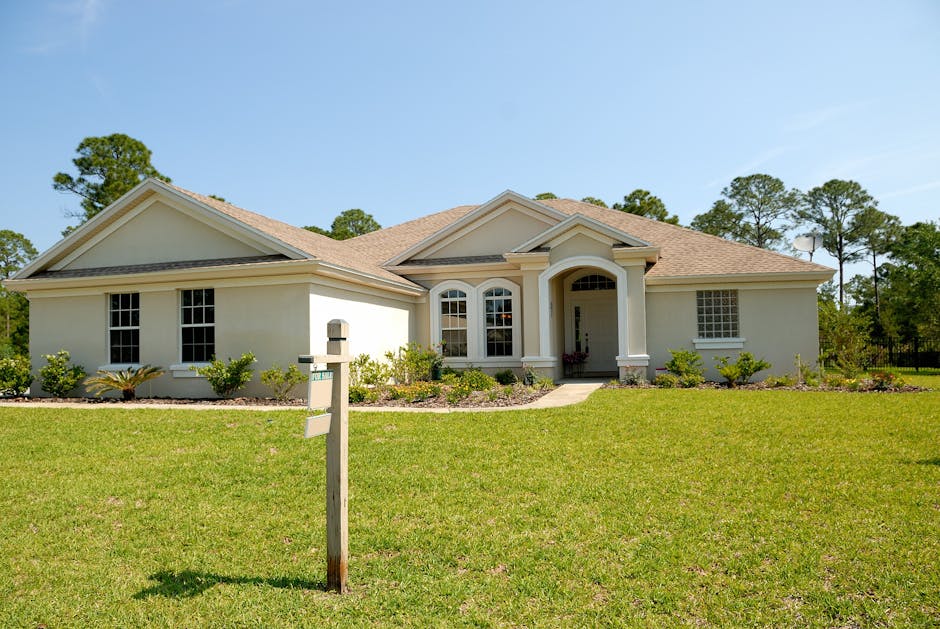
The concept of curb appeal deserves particular emphasis. The first impression a buyer forms — often from a driving tour or from the lead photo in an online listing — is heavily influenced by the property's exterior. A home with a well-maintained facade, clean walkways, attractive landscaping, and a fresh front door color invites buyers inside. A home with peeling paint, a cracked driveway, or dead landscaping creates a negative impression before the buyer even enters. I have seen two similar homes on the same street sell at meaningfully different prices and speeds, with the difference attributable largely to exterior presentation. The investment in curb appeal is one of the highest-return preparations a seller can make.
Marketing quality is the third factor, and it is entirely within the seller's and agent's control. Professional photography, a well-crafted listing description, accurate and complete MLS data, and syndication across major online platforms are baseline requirements in today's market. A listing with amateur phone photos, a vague description, or missing key details (square footage, lot size, year built) will be passed over in favor of competing listings that provide better information. Additional marketing elements — virtual tours, floor plans, drone photography, social media promotion — can further differentiate a property, particularly in price segments or markets where these tools are not yet universal.
Location is a factor that sellers cannot change, but it interacts with pricing and marketing in important ways. A home in a highly desirable neighborhood — strong schools, convenient commuting, low crime, attractive amenities — will sell faster than a comparable home in a less desirable area, assuming both are priced correctly. However, a home in a less desirable area can still sell quickly if it is priced to reflect its location. The stagnation problem arises when a seller in a challenged location prices as if the location were premium, creating a mismatch between the asking price and what the market will pay for that specific location. Honesty about location value — reflected in the price — prevents the extended days on market that result from overreaching.
Market timing is the fifth factor, and it refers to both the season and the broader market cycle. Spring and early summer are traditionally the busiest seasons for residential real estate, as families time their moves to coincide with the school calendar. Listing during this peak period maximizes buyer attention. Late fall and winter are typically slower, though serious buyers who are house-hunting during these periods are often highly motivated. The broader market cycle — whether it is a buyer's market, seller's market, or balanced market — also affects days on market. In a seller's market with limited inventory, well-priced homes in good condition may receive offers within days. In a buyer's market with ample inventory, even correctly priced homes may take longer to sell because buyers have more options and less urgency.
A specific phenomenon worth understanding is the "refreshed" listing. When a property has been on the market for an extended period without an offer, some agents will withdraw the listing and relist it to reset the days-on-market counter, making it appear as a new listing to buyers and agents. While this practice is permissible in some markets if the seller takes the property off the market for a meaningful period, it is widely considered misleading when done solely to manipulate the appearance of freshness. Savvy buyer's agents check the property's full listing history, which includes prior listings, price changes, and withdrawal dates. A history of repeated relisting without a price change signals to the market that the property is overpriced, reinforcing the very stagnation the relisting was intended to overcome.
For buyers, a property with extended days on market can represent an opportunity. A seller whose home has been listed for 60, 90, or 120 days is often more willing to negotiate on price, terms, or concessions than a seller whose home just entered the market. The key is to determine why the property has not sold. If the reason is correctable — poor marketing, an unusual layout that limits the buyer pool, or cosmetic issues the buyer is willing to address — the property may be a good value at a negotiated price. If the reason is a fundamental defect — structural problems, an adverse location, or an overpriced seller who refuses to negotiate — the extended days on market is a warning rather than an opportunity. A buyer's agent can provide valuable insight into which situation applies.
The practical takeaway for sellers is this: control what you can control. You cannot change the location, the market cycle, or the season. You can price accurately based on sold comparables, prepare the property to show at its best, invest in professional marketing, and respond quickly and strategically to feedback from showings. If your home is not receiving showings within the first two weeks, the price is almost certainly the problem, and a prompt adjustment is preferable to weeks of inactivity. If your home is receiving showings but no offers, the condition or the showing experience may be the issue, and candid feedback from showing agents — which your listing agent should be collecting — can identify the specific problem.
This article is for educational purposes only and does not constitute legal, tax, or financial advice. Real estate market conditions vary by location and over time. Readers should consult a licensed real estate professional for guidance specific to their property and market.

Have Questions About Your Mortgage Options?
Speak with Ebonie Beaco, Senior Mortgage Loan Officer (NMLS #2389954).
Editorial Disclosure: This article is published by Mortgage & Real Estate Strategist Magazine for informational and educational purposes. It does not constitute legal, tax, financial, or investment advice. Mortgage and real estate professionals should consult appropriate experts and verify current program guidelines before making decisions based on this content.
Sources & References
- National Association of Realtors — Existing Home Sales Statistics
- Fannie Mae — Home Price Index and Market Trends
- Consumer Financial Protection Bureau — Home Buying and Selling Resources
Sources Last Verified: November 8, 2026
Publisher & Mortgage Strategist
Ebonie Beaco is the founder and publisher of Mortgage & Real Estate Strategist Magazine. She is a licensed mortgage loan officer (NMLS #2389954) affiliated with NEXA Lending (NMLS #1660690), providing lending services in multiple states. She covers mortgage strategy, lending programs, and real estate investing.
Read More Articles by Ebonie Beaco